
Effective communication with your landlord is crucial for a positive renting experience. Whether you’re dealing with maintenance requests, lease renewals, or rent payments, clear and respectful communication can prevent misunderstandings and foster a healthy landlord-tenant relationship. This article will provide you with practical strategies to communicate effectively with your landlord, covering topics such as proper etiquette, preferred communication methods, and tips for documenting interactions. Learning how to communicate effectively can contribute significantly to a smooth and stress-free tenancy.
From navigating necessary repairs and addressing rent increases to understanding your lease agreement terms, open communication is key. By mastering the art of effective communication, you can ensure your needs are met, your concerns are addressed promptly, and your tenancy remains harmonious. This guide will equip you with the tools you need to confidently and effectively communicate with your landlord, making your renting experience more enjoyable and productive. We’ll delve into crafting clear and concise messages, understanding your landlord’s perspective, and resolving conflicts constructively.
Establishing a Clear Communication Channel
Open communication is crucial for a positive landlord-tenant relationship. Clearly establish your preferred communication method with your landlord from the outset. This could be email, text messaging, phone calls, or through a dedicated online portal.
Consistency is key. Once a method is chosen, stick to it for all non-emergency communications. This creates a record of your interactions, which can be helpful if any disputes arise.
Be respectful and professional in your communication, regardless of the medium. Address your landlord formally (e.g., Mr./Ms./Mx. [Last Name]), and keep your messages concise and to the point. Avoid using slang or overly casual language.
Confirm receipt of important communications, especially regarding maintenance requests or other time-sensitive matters. A simple acknowledgment ensures your message was received and understood.
Being Professional and Respectful
Maintaining a professional and respectful rapport with your landlord is crucial for a positive tenancy experience. This fosters open communication and helps ensure that your needs are addressed effectively.
Always communicate in a calm and courteous manner, even when discussing disagreements or sensitive issues. Avoid using accusatory or demanding language. Instead, clearly and concisely state your concerns, focusing on facts and providing specific examples where necessary.
Respond to communications promptly and adhere to agreed-upon deadlines. If you anticipate a delay, proactively inform your landlord and explain the circumstances.
Respect your landlord’s time by scheduling appointments in advance and being prepared for discussions. Keeping your interactions professional and courteous will contribute significantly to a smooth and successful landlord-tenant relationship.
Making Maintenance Requests in Writing
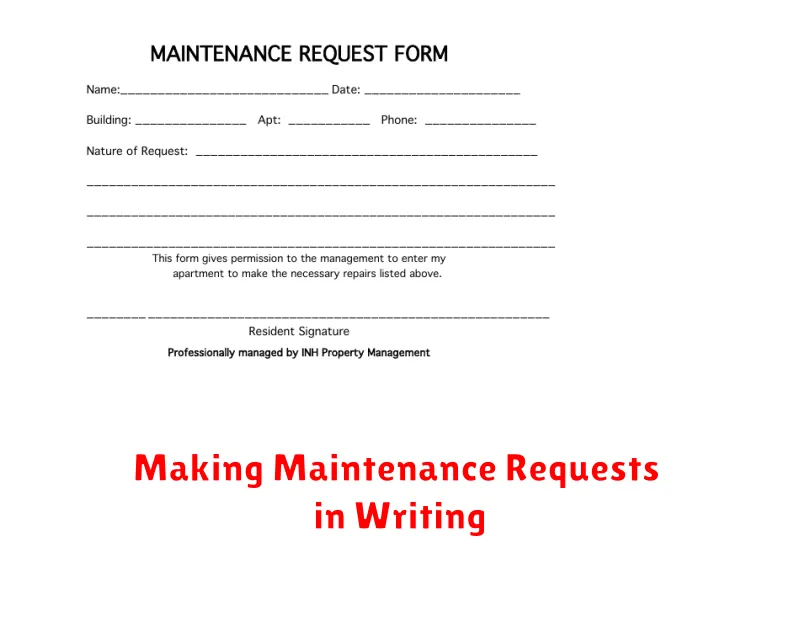
Documenting maintenance requests in writing provides a clear record of your communication with your landlord. This is crucial for both parties, ensuring accountability and facilitating a smoother resolution process.
A written request should include the following key information:
- Your name and unit number
- The date of the request
- A detailed description of the issue
- The location of the problem within your unit
- Your preferred contact information
Be specific when describing the issue. For example, instead of “sink broken,” write “Kitchen sink faucet drips constantly, creating a small puddle beneath the sink.”
Retain a copy of your request for your records. This documentation can be invaluable should any disputes arise later.
Keeping Records of Conversations
Maintaining accurate records of all communication with your landlord is crucial. This documentation can be invaluable if disagreements or disputes arise.
Create a simple system for logging your interactions. You can use a physical notebook, a spreadsheet, or a dedicated app on your phone. After each conversation, note the date, time, method of communication (e.g., phone call, email, in-person), and a brief summary of the topics discussed. If the conversation pertains to a specific issue, such as a maintenance request, be sure to note the details of the issue as well.
For written communication, such as emails or text messages, save copies. If you speak to your landlord in person, consider sending a follow-up email summarizing the conversation. This email confirms your understanding of the discussion and creates a written record.
Remember to keep these records organized and accessible. Should you need to refer to them later, you’ll be able to quickly find the information you need.
Understanding What’s Reasonable to Request
When communicating with your landlord, it’s crucial to understand what constitutes a reasonable request. Reasonable requests pertain to the habitability and safety of your rental unit, aligning with your lease agreement and local laws.
Examples of reasonable requests include necessary repairs like a leaky faucet, broken heating system, or pest infestation. Addressing safety concerns, such as malfunctioning smoke detectors or broken locks, are also considered reasonable.
Conversely, unreasonable requests often involve upgrades or amenities beyond the scope of basic habitability. Requesting a new appliance when the existing one functions adequately, or demanding cosmetic renovations like fresh paint solely for aesthetic preference, are generally not considered reasonable.
Consider the timing of your request. While a burst pipe demands immediate attention, requesting non-urgent repairs during inconvenient hours may be perceived as unreasonable. Always refer to your lease agreement for guidance on proper communication protocols and maintenance responsibilities.
Handling Disagreements Calmly
Disagreements with your landlord are sometimes inevitable. However, approaching these situations calmly and professionally is crucial for a productive resolution. Avoid emotional outbursts or accusatory language. Instead, focus on clearly and respectfully communicating your concerns.
Begin by stating the facts of the issue without embellishment. Provide specific examples and any supporting documentation you may have. Then, clearly express your desired outcome. Be prepared to listen to your landlord’s perspective and consider potential compromises. Maintaining a respectful dialogue, even when frustrated, increases the likelihood of reaching a mutually agreeable solution.
If direct communication doesn’t resolve the issue, consider putting your concerns in writing. A written record provides clarity and can be helpful if further action becomes necessary. Remember, maintaining a positive landlord-tenant relationship is beneficial for both parties.
Knowing When to Seek Mediation
Mediation offers a way to resolve disputes outside of court, involving a neutral third party who helps facilitate communication and find mutually agreeable solutions. It can be a less stressful and less costly alternative to legal action.
Consider mediation when communication has broken down and you’re unable to resolve an issue directly with your landlord. This might involve disagreements over lease terms, repairs, security deposits, or other landlord-tenant matters.
Signs you might benefit from mediation include experiencing escalating tension, receiving threats of legal action, or feeling like your concerns are being ignored. Mediation can be particularly helpful when both parties are willing to compromise and find a solution.
However, mediation isn’t always appropriate. If you believe your landlord has acted illegally or discriminated against you, seeking legal counsel directly might be a more effective course of action. Similarly, if your landlord is unwilling to participate in mediation, pursuing other avenues might be necessary.
