
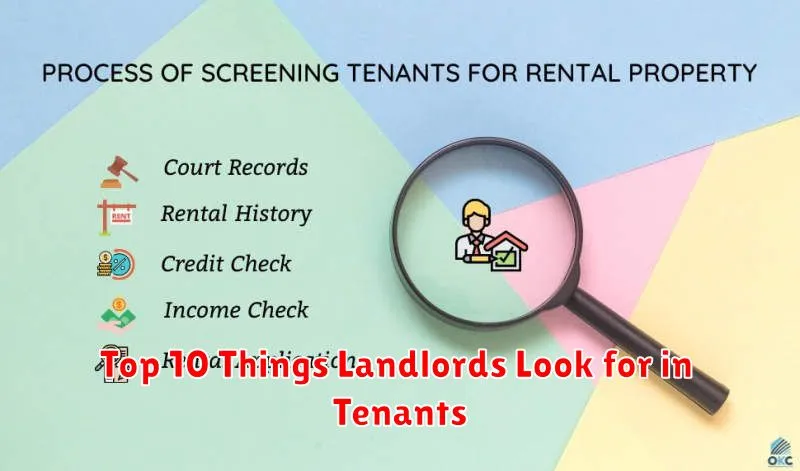
Finding the perfect tenant is a crucial aspect of successful property management. Landlords are constantly seeking responsible individuals to occupy their properties. This article will delve into the top 10 things landlords look for in tenants, providing valuable insights for both landlords seeking ideal occupants and prospective tenants aiming to stand out from the competition. Understanding these key criteria can significantly impact your chances of securing the desired rental property. From a solid credit score and verifiable income to positive references and a respectful demeanor, we’ll cover the essential qualities that make a tenant truly desirable. Learn what it takes to impress potential landlords and secure your next dream home.
Securing a rental property in a competitive market can be challenging. By understanding what landlords prioritize, prospective tenants can better position themselves for success. This guide will explore the top 10 qualities that landlords seek, including a clean eviction history, stable employment, and responsible pet ownership (where applicable). We will also address the importance of a well-crafted rental application and open communication with potential landlords. By mastering these key aspects, you’ll gain a competitive edge and increase your likelihood of finding the perfect rental property that meets your needs. Whether you’re a first-time renter or a seasoned tenant, this article provides invaluable advice for navigating the rental market effectively and securing your desired home.
Stable Income and Employment
Consistent income is a landlord’s primary concern. It assures them of your ability to pay rent on time, every time. Landlords typically look for tenants who have a stable employment history, demonstrating a reliable source of income.
Proof of income is often requested. This may include recent pay stubs, tax returns, bank statements, or a letter from your employer. Landlords may also verify your employment by contacting your employer directly.
The general rule of thumb is that your gross monthly income should be at least three times the monthly rent. Some landlords may have stricter requirements. Demonstrating a strong financial history increases your chances of being selected as a tenant.
Good Credit History
A strong credit history is a major factor in tenant selection. It provides landlords with insight into a prospective tenant’s financial responsibility. A good credit score suggests a history of paying bills on time and managing debt effectively. This reassures landlords that rent payments will likely be made promptly and consistently.
Landlords often use credit checks to assess an applicant’s creditworthiness. These reports detail credit card usage, loan payments, outstanding debts, and any history of bankruptcies or collections. While a perfect credit score isn’t always expected, a significantly low score or a history of financial missteps can be a red flag.
Key takeaways regarding credit history include:
- Pay bills on time consistently.
- Keep credit card balances low.
- Address any errors on your credit report promptly.
Clean Rental Record
A clean rental record is crucial for prospective tenants. Landlords want assurance that you’ll treat their property responsibly and pay rent on time. A history of late payments, evictions, or property damage can be a major red flag.
Landlords typically verify rental history through previous landlords or property management companies. They’ll likely inquire about your payment history, adherence to lease terms, and overall behavior as a tenant. Be prepared to provide contact information for your past landlords.
If you have a blemish on your record, such as a single late payment, be upfront and honest with the landlord. Providing a reasonable explanation can sometimes mitigate the concern. Demonstrating consistent and improved behavior with subsequent landlords will also strengthen your application.
Positive References From Previous Landlords
A positive reference from a previous landlord is invaluable. It provides firsthand insight into your behavior as a tenant. Landlords want to know that you paid rent on time, respected the property, and were a good neighbor.
Strong references can significantly boost your application, especially in a competitive rental market. Landlords often contact previous landlords to verify information you provide and to get a sense of your overall tenancy history.
Be sure to provide current contact information for your previous landlords. If you’ve had any issues in the past, be prepared to address them honestly and professionally. Offering a brief explanation can demonstrate responsibility and transparency.
Timely Communication

Clear and timely communication is crucial for a positive landlord-tenant relationship. Landlords appreciate tenants who promptly respond to messages, whether it’s about routine maintenance, rent payments, or other important matters.
Providing adequate notice regarding issues within the property allows landlords to address them efficiently. This proactive communication prevents small problems from escalating into larger, more costly ones. Similarly, open communication about potential late rent payments, along with proposed solutions, demonstrates responsibility and respect for the landlord’s position.
By being a communicative tenant, you build trust and show that you are a responsible individual. This can lead to a smoother tenancy and a more positive relationship with your landlord.
Responsibility With Property
Landlords highly value tenants who demonstrate a strong sense of responsibility towards the property they occupy. This translates to treating the rental unit and its surroundings with respect and taking proactive steps to maintain its condition.
Key indicators landlords look for include a history of paying rent on time, properly disposing of trash, keeping the unit clean, and promptly reporting any maintenance issues. Beyond the unit itself, responsible tenants also respect shared spaces and follow community rules, contributing to a positive living environment for all.
Signs of irresponsibility that landlords want to avoid include neglecting necessary repairs, causing excessive damage beyond normal wear and tear, and disturbing neighbors with noise or disruptive behavior. These behaviors can lead to costly repairs, strained landlord-tenant relationships, and potential legal issues.
No Smoking or Pet Violations
A smoke-free property is often highly desirable for landlords and future tenants. Smoking can cause lasting damage, including lingering odors and discoloration, which can be costly to remediate. Landlords will review rental history for any violations of previous no-smoking policies.
Similarly, unauthorized pets or violations of pet policies (e.g. breed or size restrictions) are often deal breakers. Pet damage, like scratches, stains, and odors, can significantly impact a property’s value. Landlords often look for evidence of responsible pet ownership in previous rentals, such as paying pet fees and adhering to established guidelines.
Willingness to Sign a Standard Lease
A key factor landlords consider is a tenant’s willingness to sign a standard lease agreement. This demonstrates a respect for legal processes and provides a framework for the tenancy.
Standard leases protect both the landlord and tenant by outlining responsibilities and expectations. They cover crucial aspects such as payment terms, lease duration, property maintenance, and permitted uses of the property.
A reluctance to sign a standard lease might signal a potential problem tenant. Landlords often interpret this hesitancy as a possible indicator of future disagreements or an unwillingness to adhere to agreed-upon terms.
Professionalism During Application Process
Professionalism during the application process demonstrates respect for the landlord’s time and the property itself. This can significantly influence a landlord’s decision.
Respond to communications promptly and courteously. A delayed response or a casual tone can signal disorganization and a lack of seriousness. Be prepared with necessary documentation, such as pay stubs or references, to expedite the process. This shows you are organized and respectful of their requirements.
Arrive on time for scheduled viewings or meetings. Being punctual underlines your reliability and commitment. Dress appropriately for these appointments. While formal attire isn’t necessary, neat and presentable clothing conveys respect.
Complete the application thoroughly and honestly. Avoid omissions or inaccuracies, as these can raise red flags. A complete and accurate application indicates transparency and trustworthiness.
Being Upfront and Honest
Honesty is a crucial trait landlords seek in tenants. Being upfront about your situation, including pets, smoking habits, or any other relevant details, builds trust from the outset. Landlords appreciate transparency and it can significantly influence their decision.
Provide accurate information on your application. This includes employment history, income, and previous rental references. Attempting to hide information or providing false details can lead to immediate disqualification and potential future complications.
Open communication is also key. If any issues arise during the application process or even after you’ve moved in, address them honestly and promptly with your landlord. Proactive communication demonstrates responsibility and fosters a positive landlord-tenant relationship.
