
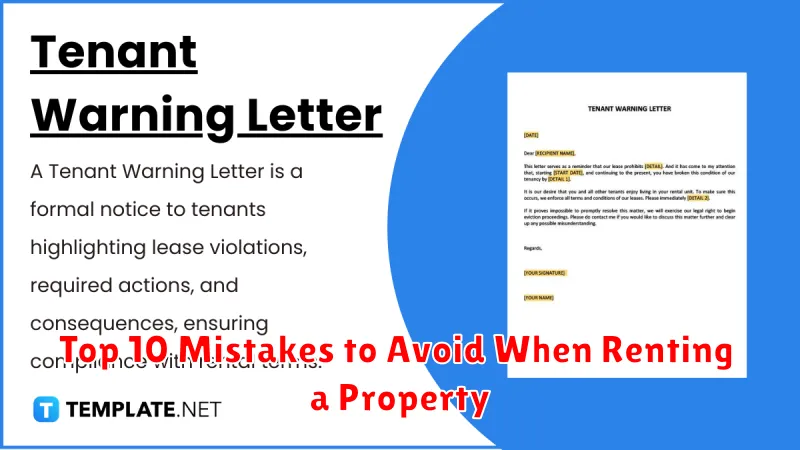
Renting a property can be an exciting new chapter, but it’s crucial to avoid common pitfalls that can turn your dream rental into a nightmare. From overlooking lease terms and neglecting property inspections to underestimating rental costs and skipping background checks, potential renters often make avoidable mistakes that can lead to financial strain, legal disputes, and overall dissatisfaction. This article outlines the top 10 mistakes to avoid when renting a property, providing valuable insights to help you navigate the rental process with confidence and secure the perfect place to call home. Understanding these common errors will empower you to make informed decisions and ensure a smooth and successful rental experience.
Whether you’re a first-time renter or a seasoned tenant, understanding the nuances of the rental market is essential. This guide will highlight critical aspects of renting a property, including the importance of a thorough property inspection, understanding your rights as a tenant, negotiating lease terms, and budgeting effectively for rental costs. By avoiding these top 10 mistakes, you can safeguard your interests, avoid future headaches, and enjoy a positive and stress-free rental experience. Learn how to avoid common traps and ensure a smooth transition into your new rental property.
Not Reading the Lease Carefully
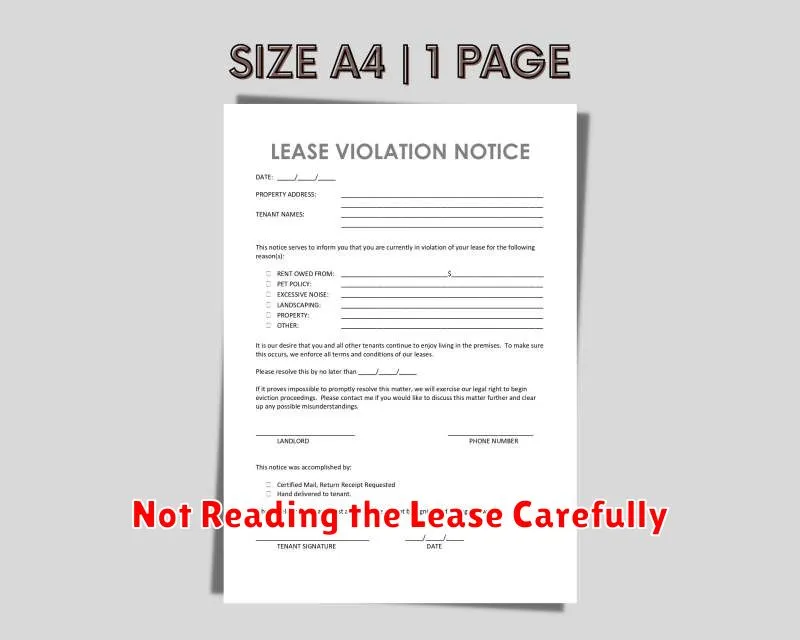
One of the most common and costly mistakes renters make is not thoroughly reading their lease agreement before signing. A lease is a legally binding contract, and not understanding its terms can lead to unexpected expenses and disputes with your landlord.
Take the time to carefully review every clause, including details about rent payments, late fees, maintenance responsibilities, pet policies, and the length of the tenancy. If anything is unclear, ask for clarification from the landlord or seek legal advice. Don’t assume anything. Understanding your rights and obligations as a tenant is crucial.
Pay close attention to sections outlining:
- Lease duration: Understand the start and end dates, and whether it’s a fixed-term or month-to-month agreement.
- Security deposit: Know the amount and conditions for its return.
- Termination clauses: Be aware of the procedures and penalties for breaking the lease early.
By thoroughly reading and understanding your lease, you can avoid potential conflicts and protect yourself from unforeseen financial burdens.
Skipping the Property Inspection
One of the biggest mistakes a prospective tenant can make is skipping the property inspection. This crucial step allows you to verify the condition of the property before signing a lease. Failing to do so can lead to disputes and unexpected expenses down the road.
During the inspection, carefully examine everything. Look for existing damage, note the functionality of appliances, and confirm the presence of promised amenities. Document everything with photos or videos, if allowed. This documentation serves as critical evidence should any discrepancies arise later.
By taking the time for a thorough inspection, you protect yourself from being held responsible for pre-existing issues and ensure you’re renting a property that meets your expectations.
Failing to Document the Move-In Condition
One of the most common and costly mistakes renters make is failing to thoroughly document the condition of the property upon move-in. This oversight can lead to disputes and deductions from your security deposit when you move out.
Thorough documentation is crucial. Take photos and videos of every room, paying close attention to existing damage, no matter how small. Document scratches, scuffs, stains, and any imperfections. Don’t forget to include closets, appliances, and fixtures.
Ideally, complete a move-in inspection report with your landlord. This report should detail the existing condition of the property and be signed by both parties. Keep a copy for your records.
This documentation serves as critical evidence if disputes arise about damage when you move out. Without it, you may be held responsible for pre-existing issues.
Underestimating Monthly Costs
One of the most common mistakes renters make is underestimating their total monthly costs. Rent is obviously a significant factor, but it’s crucial to consider additional expenses. Failing to account for these can quickly strain your budget and lead to financial difficulties.
Beyond the base rent, factor in utilities such as electricity, water, gas, and internet. These can vary significantly depending on usage and location. Also, consider parking fees if you own a vehicle and parking isn’t included. Renter’s insurance is another important, often overlooked, cost that protects your belongings in case of damage or theft. Finally, don’t forget about potential move-in costs like security deposits and application fees.
Creating a comprehensive budget that incorporates all these expenses will give you a clearer picture of your true monthly costs and help you avoid financial surprises.
Neglecting to Ask About Repairs
A crucial aspect of a comfortable tenancy lies in understanding the repair policy. Failure to inquire about repairs upfront can lead to frustrating and costly situations down the line. Clearly establish who is responsible for what repairs.
Ask about the procedure for requesting repairs. Is there an online portal, a dedicated phone number, or a specific contact person? Knowing this beforehand streamlines the process when a repair is needed. Document everything in writing, from initial requests to completed repairs. This paper trail will be invaluable should disputes arise.
Inquire specifically about response times for repairs. A reasonable timeframe should be established for addressing non-emergency maintenance issues. Understand what constitutes an emergency repair and how those are handled differently. Don’t assume anything; clear communication regarding repairs is essential for a positive rental experience.
Assuming Verbal Agreements Are Binding
A common and costly mistake is assuming verbal agreements with a landlord hold the same weight as written ones. While some verbal agreements can be legally enforceable, they are significantly more difficult to prove. Always get everything in writing.
Without a written lease or documented agreement, you have little recourse if disagreements arise. Your landlord might promise certain amenities or repairs verbally, but without written documentation, it becomes a “he said, she said” situation. This lack of proof can leave you vulnerable and potentially facing unexpected costs or unmet promises.
Key terms to always have in writing include:
- Monthly rent amount
- Lease duration
- Security deposit amount and terms
- Responsibility for utilities and repairs
- Pet policies
- Any agreed-upon upgrades or renovations
A written lease protects both you and the landlord, ensuring clarity and preventing future conflicts. It serves as a legally binding document outlining the terms of the tenancy, offering clear recourse for breaches of contract.
Not Getting Renter’s Insurance
One of the most common and costly mistakes renters make is neglecting to purchase renter’s insurance. While your landlord’s insurance covers the building itself, it doesn’t protect your personal belongings inside the unit. Renter’s insurance provides crucial financial protection against loss or damage to your possessions due to theft, fire, vandalism, and other covered perils.
Furthermore, many landlords now require renter’s insurance as a condition of the lease. This protects both you and the property owner. Don’t assume you can’t afford it; renter’s insurance is surprisingly affordable, often costing just a few dollars a month. It’s a small price to pay for the peace of mind it provides.
Beyond protecting your personal belongings, renter’s insurance also provides liability coverage. This protects you financially if someone is injured in your apartment and decides to sue. It can cover medical expenses and legal fees, shielding you from potentially devastating financial consequences.
Ignoring Red Flags About the Landlord
A responsible and responsive landlord is crucial for a positive renting experience. Overlooking warning signs about a potential landlord can lead to future headaches and disputes. Don’t dismiss uneasy feelings or questionable behavior.
Some common red flags include:
- Unwillingness to provide a written lease: A legally binding lease protects both parties. Insisting on a verbal agreement is a major red flag.
- Evasive or inconsistent communication: Difficulty reaching the landlord or receiving conflicting information can indicate disorganization or a lack of transparency.
- Pressure to sign quickly: A landlord pushing for an immediate signature without allowing sufficient time to review the lease may be hiding something.
- Negative reviews or complaints: Online reviews and tenant forums can provide valuable insights into a landlord’s reputation.
- Requesting unusual payment methods: Be wary of requests for cash payments or payments to accounts not in the landlord’s name.
Trust your instincts. If something feels off, it’s best to continue your search for a more reliable landlord.
Missing Important Lease Clauses
A lease agreement is a legally binding contract, and missing crucial clauses can lead to disputes and unexpected costs. Thoroughly review the lease before signing to ensure it includes all necessary protections for both landlord and tenant.
Key clauses to look for include the length of the tenancy, rent amount and payment schedule, security deposit details, and responsibilities for repairs and maintenance. Clarity on these points prevents misunderstandings and protects your rights.
Additionally, clauses addressing pet policies, guest restrictions, and renewal options should be clearly defined. If these are important to you, ensure they are included in writing within the lease agreement.
Consider having the lease reviewed by a legal professional if you have any concerns or encounter unfamiliar terminology. This small investment can save you significant trouble down the line.
Overcommitting to a Long-Term Lease
A long-term lease, typically 12 months or longer, can offer stability and predictable rent payments. However, it also represents a significant commitment. Carefully consider your future plans before signing a long-term agreement.
Job security and potential relocation needs are important factors. If there’s a chance you might move for work or other reasons, a shorter lease term, or a lease with a break clause, could be a better choice.
Evaluate your financial stability. Ensure you can comfortably afford the rent for the entire duration of the lease. Unforeseen circumstances can impact your income, and breaking a lease often involves significant financial penalties.
