
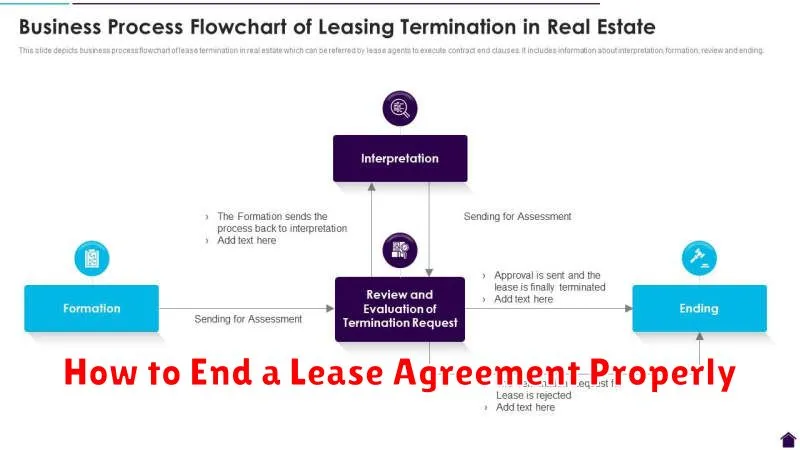
Ending a lease agreement properly is crucial for both landlords and tenants to avoid potential legal and financial issues. Whether you’re a tenant looking to break a lease, or a landlord needing to terminate a lease agreement, understanding the correct procedures is essential. This guide will provide a comprehensive overview of how to end a lease agreement effectively, covering topics such as lease termination notices, early termination fees, and understanding your lease terms. Learn how to navigate the complexities of lease agreements, ensuring a smooth transition and minimizing potential disputes.
Lease agreements are legally binding contracts, and premature termination can have significant consequences. Therefore, knowing how to legally break a lease or terminate a lease early without incurring penalties is vital. We will discuss various scenarios for ending a lease, including mutual agreement termination, eviction, and situations where a lease expires. This article will empower you with the knowledge to handle the lease termination process effectively, protecting your rights and avoiding costly mistakes.
Know Your Lease End Date
The first step in properly ending a lease agreement is to know the exact end date. This date is clearly stated in your lease document. Locate your copy and review it carefully.
Understanding your lease’s timeframe is crucial. Some leases automatically renew if you don’t provide proper notice. Knowing the end date well in advance allows you sufficient time to explore your options, whether it’s renewing the lease, negotiating new terms, or moving out.
Mark this date on your calendar and set reminders. This will prevent any unwanted surprises or accidental lease renewals.
Check Your Notice Period Requirements
Before ending your lease, carefully review your lease agreement for the required notice period. This is the amount of time you must inform your landlord of your intent to vacate. This period is typically 30 or 60 days, but it could vary.
Failing to provide adequate notice can result in penalties, such as forfeiting your security deposit or being held responsible for rent payments for the remainder of the lease term. Therefore, understanding this requirement is crucial.
Locate the clause in your lease that specifies the notice period. It is usually stated clearly. If you have any questions regarding the notice period or its implications, contact your landlord or a legal professional for clarification.
Provide Written Notice on Time
Providing timely written notice is crucial for properly ending a lease agreement. Your lease dictates the required notice period, typically 30 or 60 days before your intended move-out date. Failing to provide adequate notice can lead to penalties, including additional rent payments or legal repercussions.
Carefully review your lease agreement to identify the specific notice requirements and the designated method for delivering notice. Some leases may require certified mail, while others accept hand delivery or email. Ensure you comply with these stipulations to avoid any disputes with your landlord.
Your written notice should clearly state your intention to vacate the premises on a specific date. Include the address of the property and your current contact information. Keep a copy of the notice for your records as proof of delivery.
Schedule a Final Walkthrough
A final walkthrough is a crucial step in the lease termination process. It allows both you and the landlord to assess the condition of the property and agree on any necessary repairs or cleaning.
Schedule the walkthrough with your landlord well in advance of your move-out date. This provides ample time to address any issues that arise. Typically, walkthroughs are conducted a few days before or on the day of your departure.
During the walkthrough, document everything. Take notes and photos of the property’s condition. This documentation will be invaluable should any disputes regarding the security deposit arise later.
Be prepared to discuss any damages beyond normal wear and tear. Understand your responsibilities as outlined in your lease agreement.
Return Keys and Access Devices
Upon the termination of your lease, promptly return all keys, access cards, garage door openers, and any other devices granting access to the property. This is a critical step in concluding the lease agreement.
Failure to return all access devices can result in several consequences, including:
- Liability for any unauthorized access or damages that occur after your lease ends.
- Deductions from your security deposit to cover the cost of replacing locks and access devices.
- Potential legal disputes with the landlord.
Ensure you return all access devices to the designated location as outlined in your lease agreement, or as instructed by your landlord. Obtain written confirmation of the return, such as a receipt or email, to protect yourself from future disputes.
Leave the Unit Clean and Damage-Free
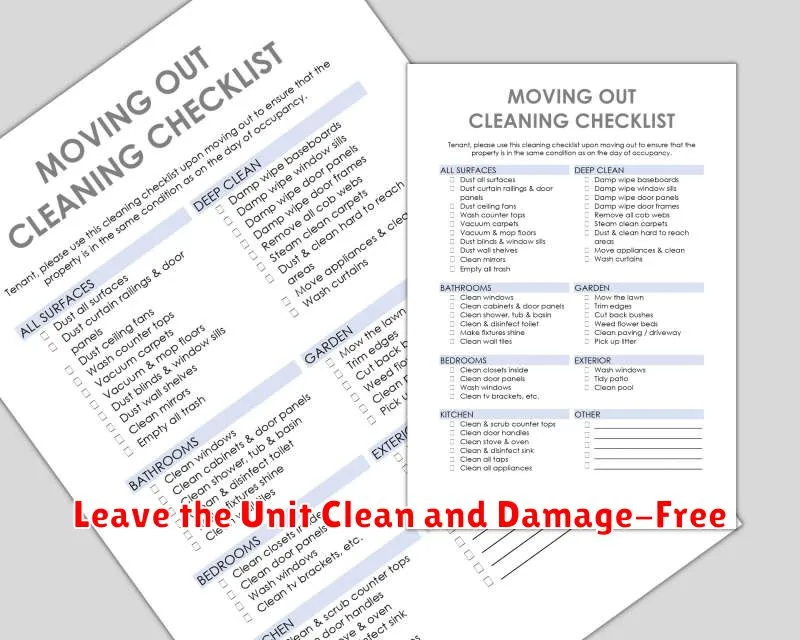
A crucial step in ending your lease is to ensure the unit is left clean and free of damage. This not only facilitates a smooth move-out process but also protects your security deposit.
Cleaning the unit thoroughly should encompass all areas, including the kitchen, bathrooms, living spaces, and closets. Consider this as returning the unit to the same state of cleanliness it was in when you moved in. Pay particular attention to appliances, fixtures, and floors.
Damage beyond normal wear and tear should be addressed. While minor scuffs on the walls might be acceptable, larger holes or significant damage should be repaired. Document any pre-existing damage when you move in to avoid disputes later. This documentation may include photographs or videos.
Follow Up on Deposit Refund Timeline
After vacating the property and completing the move-out inspection, it’s crucial to understand the timeline for receiving your security deposit refund. Local laws dictate the timeframe within which your landlord must return your deposit, minus any deductions for damages exceeding normal wear and tear.
Contact your landlord to inquire about the anticipated refund date. Keep a record of your communication. If the deadline passes and you haven’t received your refund or an itemized list of deductions, follow up with a written request. This documentation is essential if further action becomes necessary.
Be aware that disputes over deductions can extend the timeline. Clearly document any disagreements with the landlord’s assessment of damages, providing supporting evidence such as photos or videos taken during the move-out inspection.
