
Breaking a lease can be a complex and often costly endeavor. Many renters find themselves needing to vacate their rental property before their lease term expires due to unforeseen circumstances such as job relocation, family emergencies, or unsuitable living conditions. Understanding how to break a lease without penalty is crucial for minimizing financial repercussions and avoiding potential legal disputes with landlords. This article will provide a comprehensive guide on navigating the process of lease termination, outlining legal options, negotiation strategies, and crucial steps to take to protect yourself from unwanted expenses and legal complications associated with breaking a lease early.
Successfully breaking a lease without incurring penalties requires careful planning and a thorough understanding of your lease agreement and local tenant laws. While the prospect of early termination can seem daunting, there are often viable avenues to explore that can mitigate financial losses. From understanding lease clauses that permit early termination to exploring options like subletting or finding a replacement tenant, this article will equip you with the knowledge and resources necessary to navigate the complexities of breaking your lease while safeguarding your financial well-being. Discover the key strategies to negotiate with your landlord and learn about the legal grounds for breaking a lease without facing financial penalties.
Understanding Early Termination Clauses
Most leases contain an early termination clause. This clause outlines the specific conditions under which you can break your lease without incurring the full penalty. Carefully review this section of your lease agreement as it’s crucial to understanding your options.
Common reasons allowed for early termination can include:
- Active Military Duty: If you receive orders for a permanent change of station or deployment.
- Domestic Violence: In situations involving domestic violence, you may be able to legally break your lease.
- Unit Uninhabitable: If the landlord fails to maintain a habitable environment as defined by local laws.
The clause will typically stipulate the required notice period and any applicable fees. These fees might be a fixed amount or a percentage of the remaining rent. Understanding these conditions is paramount to minimizing potential financial repercussions.
Notifying Your Landlord in Advance
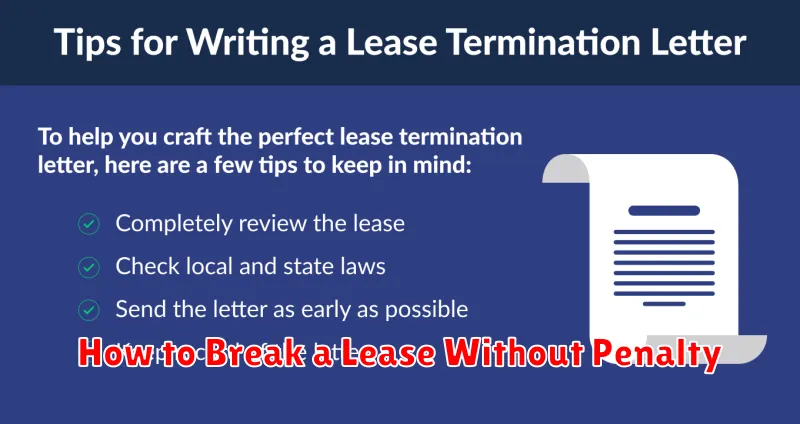
Providing ample notice to your landlord is a critical first step when seeking to break a lease without penalty. Most leases stipulate a required notice period, often 30 or 60 days, which must be adhered to. Review your lease agreement carefully to determine the exact timeframe required.
Your notification should be delivered in writing, preferably via certified mail with return receipt requested, to ensure documented proof of delivery. This written notice should clearly state your intent to vacate the premises and the intended date of your departure. While a verbal notification might seem sufficient, a written record protects both you and your landlord from future misunderstandings.
Timely notification strengthens your position and allows your landlord adequate time to find a replacement tenant. This proactive approach can significantly improve your chances of avoiding financial penalties and maintaining a positive relationship with your landlord.
Providing Valid Legal Reasons

Breaking a lease without incurring penalties typically requires valid legal justification. Understanding these justifications is crucial for tenants seeking to terminate their lease agreements prematurely.
Several legally acceptable reasons exist, and these vary depending on local and state laws. Some common examples include:
- Active Military Duty: If a tenant receives orders for active duty lasting a certain period, they are typically permitted to break a lease without penalty.
- Uninhabitable Conditions: If the rental unit becomes uninhabitable due to landlord negligence regarding essential repairs (e.g., plumbing, heating), tenants may have legal grounds to break the lease.
- Domestic Violence: In many jurisdictions, victims of domestic violence are legally allowed to break their lease to ensure their safety.
- Landlord Breach of Contract: If the landlord violates a substantial term of the lease, the tenant may have grounds to terminate the agreement.
Documentation is vital. Tenants should retain all relevant evidence supporting their claim, including photographs, communication records, and official documentation like military orders or police reports.
Offering to Help Find a Replacement Tenant
One effective strategy for breaking a lease without incurring penalties is to offer assistance in finding a replacement tenant. This proactive approach demonstrates responsibility and goodwill to your landlord.
Communicate your intentions clearly and formally to your landlord. A written notice is recommended. Express your desire to vacate the premises and offer to actively participate in the search for a new tenant. This may involve advertising the vacancy, showing the property to prospective tenants, and even pre-screening applicants.
By taking the initiative to find a suitable replacement, you significantly increase the chances of a smooth transition and avoid potential financial repercussions. This also helps maintain a positive relationship with your landlord.
Benefits of Offering Help:
- Reduces vacancy time for the landlord.
- Demonstrates responsibility and good faith.
- Increases the likelihood of a mutually agreeable departure.
Be sure to get any agreements regarding finding a replacement tenant in writing. This protects both you and your landlord and ensures clarity on all responsibilities.
Documenting All Communication
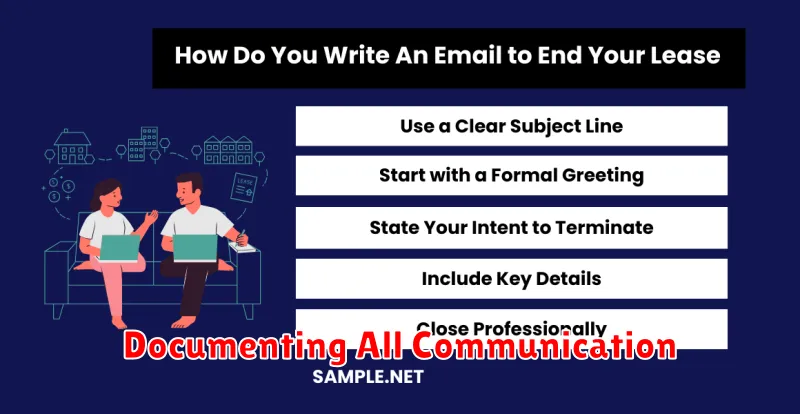
Maintaining meticulous records of all communication with your landlord is crucial. This documentation serves as evidence of your efforts to resolve the situation and protects you in case of disputes.
Create a dedicated file, whether physical or digital, to store all correspondence. This includes emails, letters, text messages, and notes from phone conversations. Always date and time stamp every interaction. If speaking in person, follow up with a written summary of the discussion via email to confirm your understanding.
This thorough record will prove invaluable if you need to demonstrate your attempts to break the lease amicably and legally.
Negotiating Terms Respectfully
Open communication is key when negotiating an early lease termination. Approach your landlord with a respectful and understanding demeanor. Explain your reasons for needing to break the lease clearly and concisely.
Present potential solutions that could benefit both parties. This might include finding a suitable replacement tenant or offering to cover advertising costs for the property. Be prepared to compromise. A mutually agreeable solution is often achievable with respectful negotiation.
Document everything. Keep records of all communication, including emails, letters, and notes from phone conversations. This documentation can be crucial if further negotiation or legal action becomes necessary.
Knowing Your State or Country Laws
Understanding your local tenant-landlord laws is crucial for breaking a lease without penalty. These laws vary significantly between states and countries, impacting your rights and responsibilities as a tenant.
Research your specific jurisdiction’s regulations regarding lease terminations. Some common legal justifications for breaking a lease without penalty include:
- Active Military Duty: Many jurisdictions allow service members to break leases without penalty upon receiving deployment orders.
- Domestic Violence: Victims of domestic violence often have legal protections that allow them to terminate a lease early.
- Unit Uninhabitability: If the rental unit becomes uninhabitable due to significant issues like mold or lack of heat, you may be able to legally break the lease.
- Landlord Breach of Lease: If the landlord violates a term in the lease agreement, you may have grounds to terminate the lease without penalty.
Contact your local housing authority or tenant rights organization for specific information on your area’s laws and regulations. They can provide guidance on how to proceed based on your individual circumstances.
