
Moving out can be a stressful experience, but securing the return of your security deposit shouldn’t add to the burden. This comprehensive guide will provide you with actionable strategies to maximize your chances of receiving your full security deposit back. We’ll cover everything from understanding your lease agreement and conducting a thorough move-out inspection, to addressing necessary repairs and effectively communicating with your landlord. Protecting your security deposit requires proactive planning and attention to detail, and we’ll equip you with the knowledge and tools you need to navigate this crucial aspect of the moving process.
Whether you’re a seasoned renter or a first-time mover, understanding your rights and responsibilities regarding your security deposit is essential. This article will outline the legal framework surrounding security deposits, including permissible deductions, documentation requirements, and timelines for return. From pre-move-in inspections to post-move-out cleaning, we’ll delve into the critical steps you can take to safeguard your security deposit and ensure a smooth transition out of your rental property. Learn how to avoid common pitfalls and confidently navigate the move-out process with our expert advice and practical tips for security deposit protection.
Reviewing Your Lease Terms First
Before you even think about packing, your first step should be to thoroughly review your lease agreement. This document is the cornerstone of your tenancy and outlines the specific conditions regarding your security deposit. Pay close attention to the following:
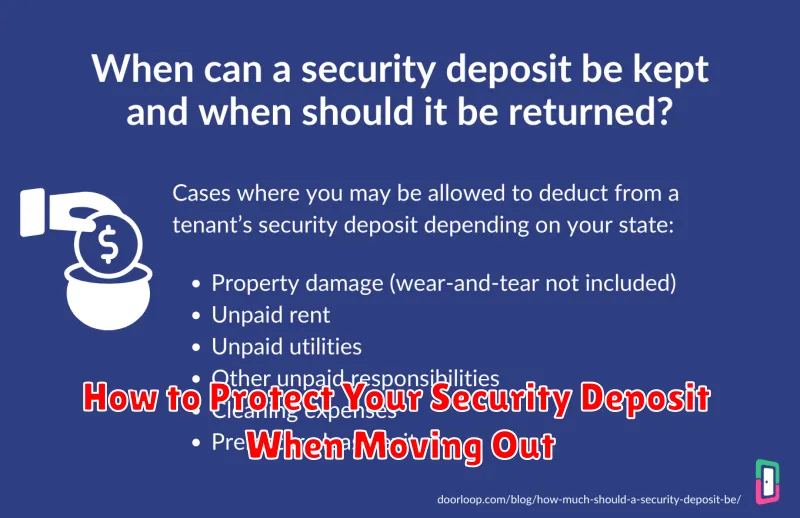
Reasons for Deductions: Your lease should clearly state the permissible reasons for deductions from your security deposit. Common examples include unpaid rent, damage beyond normal wear and tear, and cleaning costs.
Definition of “Normal Wear and Tear”: Understanding what constitutes normal wear and tear is crucial. This often varies by state and landlord, but generally refers to the deterioration that happens naturally through everyday use. Examples might include lightly scuffed floors or faded paint.
Required Cleaning: Many leases stipulate specific cleaning requirements upon move-out. This may include professional cleaning of carpets, ovens, or bathrooms. Note any such clauses to avoid unexpected deductions.
Pre-existing Damage: If there was pre-existing damage when you moved in, ensure you documented it. Refer back to your move-in inspection report or any photos you took. This documentation can protect you from being charged for damages you didn’t cause.
Documenting the Apartment’s Condition
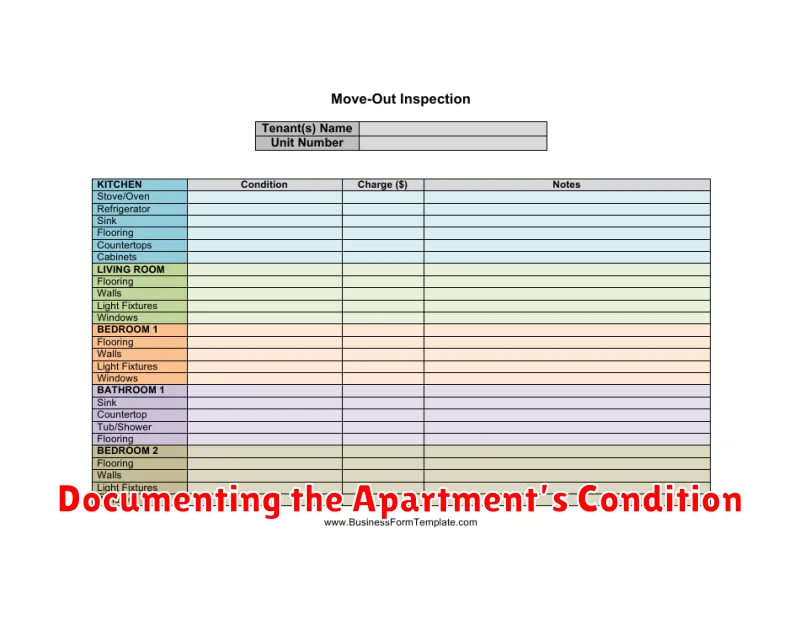
A thorough record of your apartment’s condition is crucial for protecting your security deposit. This documentation should ideally be completed both when you move in and when you move out. This allows you to demonstrate that any existing damage was not your responsibility and that you left the apartment in acceptable condition.
Upon move-in, carefully inspect the apartment for any pre-existing damage. Document everything, even minor issues. A written checklist is recommended, supplemented with photographic or video evidence.
When moving out, repeat the documentation process. Compare the current state of the apartment to the move-in documentation. This comparison serves as evidence of your proper care of the apartment during your tenancy.
Repairing Minor Damages Before Leaving
Addressing minor damages before moving out can significantly impact the return of your security deposit. Landlords often deduct costs for repairs, and fixing small issues yourself can be more cost-effective than having the landlord do it. This demonstrates responsibility and good tenancy.
Common repairable damages include nail holes, minor scuffs on walls, and dripping faucets. Nail holes can be easily filled with spackle and painted over. Scuff marks often come off with a magic eraser or mild detergent. A dripping faucet might just require a new washer, an inexpensive and easy fix. Addressing these issues proactively can prevent deductions from your security deposit.
Be sure to use matching paint for touch-ups. If you don’t know the exact shade, a small chip of paint from an inconspicuous area can help you find a close match at a paint store. For more complex repairs, consider consulting a handyman. While there is a cost involved, it may still be less expensive than having your landlord arrange for repairs.
Deep Cleaning the Space
A spotless apartment is key to getting your security deposit back. Landlords often use deductions for cleaning as a way to cover the costs of preparing the unit for the next tenant. Deep cleaning goes beyond your regular tidying routine.
Focus on these key areas:
- Kitchen: Clean the oven, refrigerator (inside and out), microwave, and dishwasher thoroughly. Pay attention to grease buildup and crumbs.
- Bathroom: Scrub the toilet, shower, bathtub, and sink. Don’t forget to clean grout and remove any mildew or soap scum.
- Floors: Vacuum or sweep and then mop all floors. Consider steam cleaning carpets for a deeper clean.
- Walls and Windows: Wipe down walls, baseboards, and window sills. Clean windows inside and out.
Consider hiring professional cleaners if you’re short on time or prefer a guaranteed deep clean. This can be a worthwhile investment to ensure the return of your deposit.
Returning All Keys and Remotes
One of the most common reasons landlords withhold security deposits is the failure to return all keys and remotes. This includes keys to the apartment itself, mailbox, any storage units, common areas, and remotes for garage door openers, gates, or other access points.
Organize all keys and remotes before your move-out inspection. This will ensure a smooth process and prevent any disputes. Clearly label each key and remote to avoid confusion. For example, label keys with “Front Door,” “Back Door,” “Mailbox,” etc.
Return the keys and remotes directly to your landlord as agreed upon in your lease agreement. Obtain a written receipt acknowledging the return of all items. This receipt serves as crucial documentation protecting you against unwarranted deductions from your security deposit.
Requesting a Final Walkthrough
A final walkthrough is a crucial step in protecting your security deposit. It allows you and your landlord to jointly assess the condition of the property and identify any potential areas of dispute regarding damages. Request this walkthrough in writing, giving your landlord reasonable notice, typically two weeks before your move-out date.
During the walkthrough, carefully document the condition of each room. Note any existing damage, as well as any repairs you’ve made. This documentation can serve as evidence should disputes arise later. It’s highly recommended to take dated photographs or videos during the walkthrough as additional documentation.
Confirm with your landlord how and when you can expect the return of your security deposit. State laws vary on the timeframe landlords have to return deposits. Having a clear understanding of this process upfront can help prevent delays.
Following Up on the Refund Timeline
After moving out and returning the keys, the clock starts ticking on your security deposit refund. Landlord-tenant laws vary by state, dictating the timeframe within which your landlord must return your deposit. Familiarize yourself with your state’s specific regulations regarding this timeframe.
If you haven’t received your deposit back within the legally mandated timeframe, initiate contact with your landlord. A polite inquiry is often sufficient. Clearly state the date you moved out and inquire about the status of your refund.
If your landlord provides a valid reason for the delay, such as outstanding repairs, request an itemized list of deductions. Compare these deductions against your move-out documentation, like photos and videos, to ensure accuracy. If the deductions seem unreasonable or unjustified, discuss your concerns with your landlord.
