
Facing a rent increase? It’s a common situation for renters, but navigating it successfully requires understanding your legal rights and employing effective strategies. This article will guide you through the process of handling rent increases, covering crucial topics like lease agreements, legal limits on rent increases, negotiating with landlords, and knowing your tenant rights. Whether you’re dealing with a significant rent hike or simply want to be prepared, learning how to handle these situations legally and strategically is essential for protecting your finances and securing stable housing.
From understanding the legality of rent increases in your jurisdiction to exploring options for negotiating lower rent, this guide provides practical advice and resources to empower you as a tenant. We’ll cover how to properly respond to a rent increase notice, what constitutes an illegal rent increase, and what steps you can take to challenge unfair rent increases. By equipping yourself with the knowledge presented here, you can confidently approach rent increase discussions and ensure you’re treated fairly within the confines of the law.
Understanding Legal Notice Requirements
Before implementing a rent increase, landlords must adhere to specific legal notice requirements. These requirements vary by jurisdiction and are typically stipulated in state or local laws. Proper notice is crucial to ensure the rent increase is legally enforceable.
Timely Notification: Landlords must provide tenants with adequate written notice before the rent increase takes effect. The required notice period can range from 30 to 60 days, sometimes longer for significant increases or month-to-month tenancies. Failing to provide sufficient notice can invalidate the rent increase.
Method of Delivery: Legal notice often mandates a specific delivery method, such as personal service, certified mail, or posting on the premises. Landlords should consult local laws to determine the acceptable delivery method in their area and retain proof of delivery.
Content of Notice: The notice must clearly state the new rent amount and the effective date of the increase. Some jurisdictions may require additional information, such as the reason for the increase (if applicable) or details about tenants’ rights.
Knowing Rent Control Regulations in Your Area
Rent control ordinances vary significantly by location. Some areas have no rent control, allowing landlords to increase rent as they see fit within lease terms. Other areas have strict regulations limiting how much and how often rent can be increased.
It is crucial to understand the specific regulations in your area. Contact your local housing authority or tenant rights organization for detailed information. These resources can provide clarity on allowable increase percentages, required notice periods, and exemptions.
Knowing your rights under local rent control laws is the first step in successfully navigating a rent increase. This knowledge empowers you to negotiate effectively and ensures you are not subjected to unlawful rent hikes.
Negotiating With Your Landlord
Direct communication is key when dealing with a rent increase. Schedule a meeting or send a formal letter outlining your concerns and proposed solutions. Be polite and respectful, focusing on facts and market data to support your argument. For instance, research comparable rental properties in your area to demonstrate whether the proposed increase is reasonable.
Prepare a negotiation strategy beforehand. Consider what you’re willing to compromise on. Perhaps you could agree to a smaller increase or a longer lease term in exchange for certain upgrades or repairs. Document everything discussed and agreed upon.
If your landlord is unwilling to negotiate, understand your legal rights. Familiarize yourself with your local tenant laws regarding rent increases. Some jurisdictions have limits on how much rent can be raised and how often.
Considering Long-Term Lease Options
One strategic approach to handling rent increases is to explore a long-term lease agreement. Long-term leases typically offer more rent stability than short-term agreements, providing predictable housing costs over an extended period. This can be particularly beneficial in volatile rental markets where prices fluctuate significantly.
Negotiating a longer lease term, such as two or three years, often involves discussions with your landlord. Be prepared to discuss the benefits to both parties. For the landlord, a long-term lease means guaranteed occupancy and reduced turnover costs. For you, it provides budgetary certainty and protection against potentially steep rent increases during the lease term.
However, carefully review the terms of any proposed long-term lease. Pay close attention to clauses related to early termination fees, rent escalation clauses (which may allow for predetermined increases), and any other stipulations that could impact your flexibility or finances. Consider consulting with a tenant rights organization or legal professional to ensure your interests are protected before signing any long-term commitment.
Comparing Local Market Rates
A crucial step in assessing the fairness of a rent increase is comparing it to the current market rates for similar properties in your area. This research provides valuable context and supports your position during negotiations with your landlord.
Start by identifying comparable units. Look for rentals with similar size, amenities, location, and age. Online real estate platforms, local classifieds, and community forums can be valuable resources in this process.
Document your findings. Keep a record of the addresses, rental prices, and features of comparable units. This documented evidence strengthens your understanding of the local market and provides a concrete basis for discussion if the proposed increase seems unreasonable.
Requesting Justification for the Increase
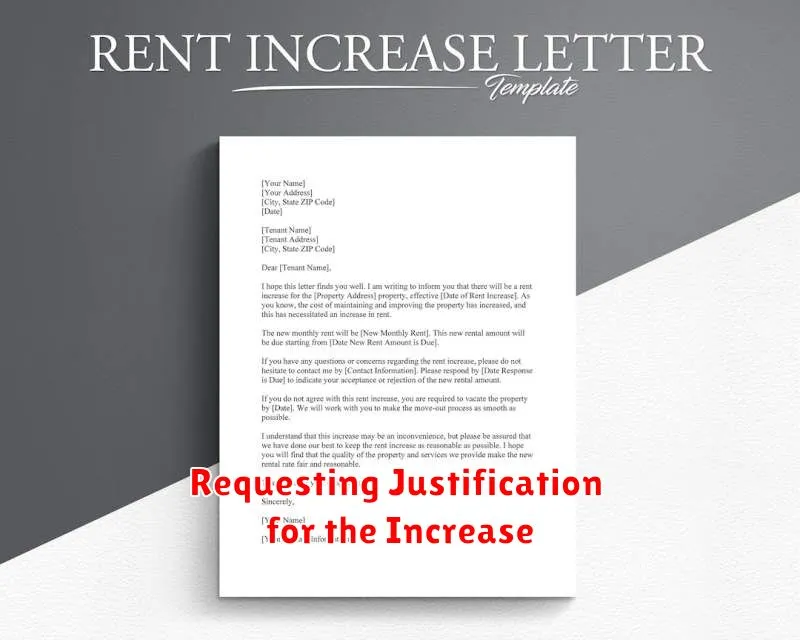
When faced with a rent increase, don’t hesitate to request a justification from your landlord. A polite, written request is often the most effective approach. This allows you to have a record of your communication and gives the landlord time to formulate a response.
While landlords are not always legally obligated to provide a detailed justification, depending on your local laws and the terms of your lease, asking for one can be strategically beneficial. It opens a dialogue and can help you understand the reasoning behind the increase.
Some common justifications for rent increases include increased property taxes, necessary repairs or renovations, and rising market rates. By understanding the basis for the increase, you can better assess whether it’s reasonable and decide how to proceed.
Knowing When to Move On
Sometimes, despite your best efforts to negotiate or challenge a rent increase, moving becomes the most practical option. Recognizing this can save you time, money, and stress in the long run.
Consider moving if the increased rent significantly impacts your budget and forces you to make uncomfortable financial sacrifices. If the new rent puts comparable housing in your area within reach, exploring alternative accommodations is worthwhile.
Also, weigh the value you receive for the increased rent. If the property owner isn’t making corresponding improvements to the property or offering additional amenities to justify the higher cost, moving to a property that offers better value might be a smarter choice.
Finally, factor in the emotional toll. If dealing with the rent increase or the landlord has become excessively stressful, seeking a new living situation may be beneficial for your overall well-being.
