
Are you a renter looking to lower your energy bills and contribute to a greener environment? Saving energy doesn’t require a major lifestyle overhaul. Implementing a few simple energy-saving tips can significantly reduce your energy consumption and help you save money on your monthly utility expenses. This article presents the top 10 energy-saving tips for renters, providing practical strategies that are easy to implement in any rental unit.
Whether you’re concerned about rising energy costs or simply want to adopt a more sustainable lifestyle, these energy efficiency tips are designed to empower renters to take control of their energy usage. From optimizing appliance usage to making smart choices about lighting and temperature control, these tips offer actionable steps toward reducing your environmental footprint and putting money back in your pocket. Learn how to maximize your energy savings as a renter and start enjoying the benefits of lower bills and a more eco-conscious lifestyle.
Switch to LED Lighting
One of the easiest and most effective ways to save energy in your rental is by switching to LED light bulbs. LEDs use significantly less energy than traditional incandescent bulbs and also last much longer.
While the upfront cost of LEDs might be slightly higher, the long-term savings on your energy bills make the investment worthwhile. They also produce less heat, which can be beneficial during warmer months, potentially reducing the load on your air conditioning.
Check with your landlord before making the switch, as some rental agreements may have stipulations regarding light fixtures. However, most landlords are receptive to energy-saving upgrades, especially if you’re willing to make the change yourself.
Use Smart Power Strips
Phantom loads, also known as standby power, are a significant source of energy waste in many homes. These loads come from electronics that continue to draw power even when turned off, such as TVs, chargers, and game consoles. A simple way to combat this is by using smart power strips.
Smart power strips detect when a device is not in use and cut off the power supply, effectively eliminating phantom loads. Some advanced models even allow you to control individual outlets remotely via a smartphone app, providing even greater control over your energy consumption. This can translate into significant savings on your electricity bill, especially if you have multiple devices plugged in constantly.
While traditional power strips offer some convenience by allowing you to turn off multiple devices at once, they do not address the issue of phantom loads. Smart power strips take energy management a step further by actively cutting off power to idle devices, making them a valuable tool for renters looking to conserve energy and save money.
Unplug Unused Devices
Many devices consume energy even when turned off. This “phantom load” can add up significantly over time. Unplugging devices when not in use is a simple yet effective way to reduce your energy consumption and lower your electricity bill. Consider unplugging chargers, TVs, game consoles, and kitchen appliances when you’re not actively using them.
Alternatively, use power strips to easily manage multiple devices. Switching off a power strip cuts power to everything plugged into it, making it a convenient way to quickly unplug several items at once. This is particularly useful for entertainment systems or computer setups.
Seal Windows and Doors
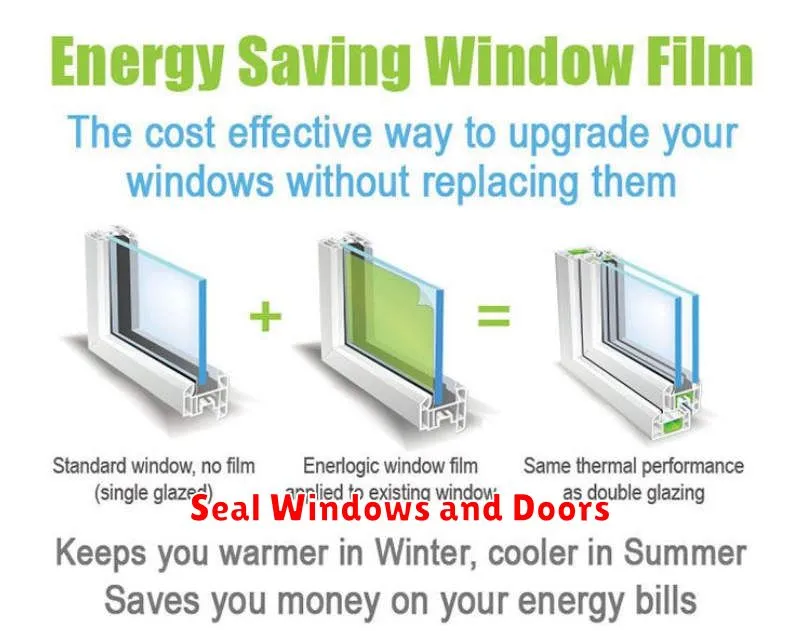
Drafts around windows and doors can significantly impact your energy bills. Sealing these gaps is a low-cost, effective way to improve insulation and save money.
Weatherstripping is an easy-to-install solution for sealing gaps around doors and window frames. Apply it to the areas where the door or window meets the frame to prevent air leaks. Look for options specifically designed for the material of your windows and doors.
For windows, consider using window insulation film. This shrink-wrap-like material is applied directly to the glass and helps create an additional barrier against drafts. It’s an especially good option for older, single-pane windows.
Caulk can be used to seal cracks and gaps around window and door frames. Choose a caulk appropriate for exterior use and carefully apply it to any visible openings.
These simple sealing methods can make a noticeable difference in your home’s comfort and energy efficiency.
Use Energy-Efficient Appliances
One of the most effective ways to save energy in a rental is to use energy-efficient appliances. While replacing major appliances like refrigerators or washing machines might not be feasible in a rental, you can still make conscious choices with smaller appliances that are under your control.
Look for appliances with the ENERGY STAR label. This certification indicates that the appliance meets certain energy efficiency standards set by the U.S. Environmental Protection Agency. Choosing ENERGY STAR certified appliances like microwaves, toaster ovens, and coffee makers can significantly reduce your energy consumption and lower your utility bills.
Even if replacing appliances isn’t an option, you can still adopt energy-saving practices with your existing appliances. Consider using a clothes drying rack instead of the dryer whenever possible. Air-drying clothes not only saves energy but also reduces wear and tear on your clothing.
Set Thermostat Efficiently
One of the simplest ways to save energy is by managing your thermostat effectively. Small adjustments can make a significant difference in your energy consumption and ultimately, your utility bills. During colder months, set your thermostat to the lowest comfortable temperature, ideally between 68-70°F. Every degree you lower it can save you around 1% on heating costs.
When you’re away from home or asleep, lower the thermostat further. Consider using a programmable thermostat to automate temperature adjustments based on your schedule. This eliminates the need to manually change the settings every time you leave or return home. During warmer months, set your thermostat to the highest comfortable temperature. Utilizing fans can help circulate air and make you feel cooler, allowing you to set the thermostat slightly higher.
Limit Hot Water Use
Water heating consumes a significant portion of a renter’s energy bill. Minimizing hot water usage is an effective way to conserve energy and lower costs.
Shorten your showers. Even a few minutes less can make a difference. Consider using a low-flow showerhead, which reduces water usage without sacrificing water pressure.
Wash clothes in cold water. Most modern detergents are formulated to work effectively in cold water, eliminating the need for energy-intensive hot water washes. This simple switch can lead to substantial energy savings.
Be mindful of other hot water usage. Repair dripping faucets promptly, as even small leaks can waste a significant amount of hot water over time. When washing dishes by hand, fill the sink with hot water instead of running the tap continuously.
Wash Clothes With Cold Water
Switching to cold water for your laundry can significantly reduce energy consumption. Heating water accounts for a substantial portion of laundry-related energy use. By opting for cold water, you eliminate this energy demand entirely.
Most modern detergents are formulated to work effectively in cold water, cleaning clothes thoroughly without the need for heat. This simple change can lead to noticeable savings on your utility bills without compromising cleanliness.
For heavily soiled items, consider pre-treating stains or using a cold water wash booster to enhance cleaning power. This allows you to maintain hygiene standards while still benefiting from the energy savings of cold water washing.
Key takeaway: Washing clothes in cold water is a simple yet impactful way to reduce energy consumption and lower your utility bills.
Air Dry Clothes When Possible
One of the simplest ways to conserve energy is to air dry your clothes whenever feasible. Dryers are major energy consumers. By utilizing a clothesline, drying rack, or simply hanging items on hangers, you can significantly reduce your energy consumption and lower your electricity bill.
While air drying might take longer than a machine dryer, it’s gentler on your clothes, helping them last longer. Consider the weather and your living situation. If you have a balcony, backyard, or even adequate space indoors with good ventilation, air drying can be a practical and cost-effective solution.
If you must use a dryer, make sure to clean the lint filter regularly. A clogged filter reduces efficiency and forces the dryer to work harder, consuming more energy.
Report Maintenance Issues Promptly
Maintaining an energy-efficient apartment requires a collaborative effort between renters and landlords. Promptly reporting maintenance issues plays a crucial role in this. Problems like leaky faucets, drafty windows, or malfunctioning heating/cooling systems can significantly impact your energy usage and, consequently, your utility bills.
Addressing these problems quickly can prevent further damage and wasted energy. For example, a dripping faucet can waste gallons of water over time, while a drafty window forces your heating or cooling system to work harder. By reporting these issues to your landlord or property manager as soon as they arise, you allow them to take corrective action efficiently.
Documenting the issue is also helpful. A brief description, along with the date you first noticed the problem, can be beneficial for tracking and resolution. This helps ensure that your request is addressed effectively and efficiently.
