
Embarking on your journey as a first-time renter can be both exhilarating and daunting. Finding the perfect apartment, navigating lease agreements, and understanding your rights and responsibilities as a tenant can feel overwhelming. This comprehensive guide, “Top 10 Tips for First-Time Renters,” provides invaluable advice to help you confidently navigate the rental process. From establishing a budget and securing a security deposit to understanding lease terms and building a positive relationship with your landlord, these essential tips will empower you to make informed decisions and enjoy a smooth transition into your new home.
This article addresses critical aspects of renting, including conducting thorough apartment searches, creating a comprehensive rental application, and understanding crucial documents like rental agreements. We’ll explore the importance of renters insurance, the process of paying rent, and effective communication with your landlord. Whether you are searching for studio apartments, one-bedroom apartments, or larger units, these tips will equip you with the knowledge and confidence to successfully navigate the rental market and find the ideal place to call home.
Determine What You Can Afford
Before you start browsing listings, it’s crucial to establish a realistic budget. Knowing your financial boundaries will save you time and prevent potential disappointment later on.
A common rule of thumb is the 30% rule, which suggests that your rent shouldn’t exceed 30% of your gross monthly income. However, consider your individual circumstances and other expenses. A lower percentage might be more manageable, especially when starting out.
Carefully calculate your monthly income and expenses, including:
- Utilities (electricity, water, gas)
- Groceries
- Transportation
- Debt payments (student loans, credit cards)
- Savings
Use a budgeting app or spreadsheet to track your spending and determine how much you can comfortably allocate to rent.
Understand the Application Process
Before you start searching for apartments, it’s crucial to understand the rental application process. This will help you be prepared and increase your chances of securing a lease.
Most applications require you to provide personal information, including your full name, current address, and contact details. You will also need to provide employment history, income verification, and references. Be prepared to pay an application fee, which covers the cost of processing your application and conducting background and credit checks.
Landlords use this information to assess your suitability as a tenant. They want to ensure you can reliably pay rent and will treat their property with respect. A good credit score is a significant factor in this assessment. Prior evictions or a history of late payments can hurt your chances.
Having all the necessary documents ready beforehand will streamline the process. This might include pay stubs, bank statements, and a list of previous landlords’ contact information.
Prepare Required Documents in Advance
Gathering necessary documents beforehand streamlines the rental application process. Landlords often require specific paperwork, and having these ready demonstrates preparedness and responsibility.
Essential documents typically include:
- Proof of income (pay stubs, tax returns, bank statements)
- Identification (driver’s license, passport)
- Rental application form (often provided by the landlord)
- References (personal or professional)
- Credit report (some landlords may require this)
Having these documents organized and readily available will save you valuable time and increase your chances of securing your desired rental property. Being prepared allows you to act quickly when you find the perfect place, giving you a competitive edge over other potential tenants.
Inspect the Property Thoroughly
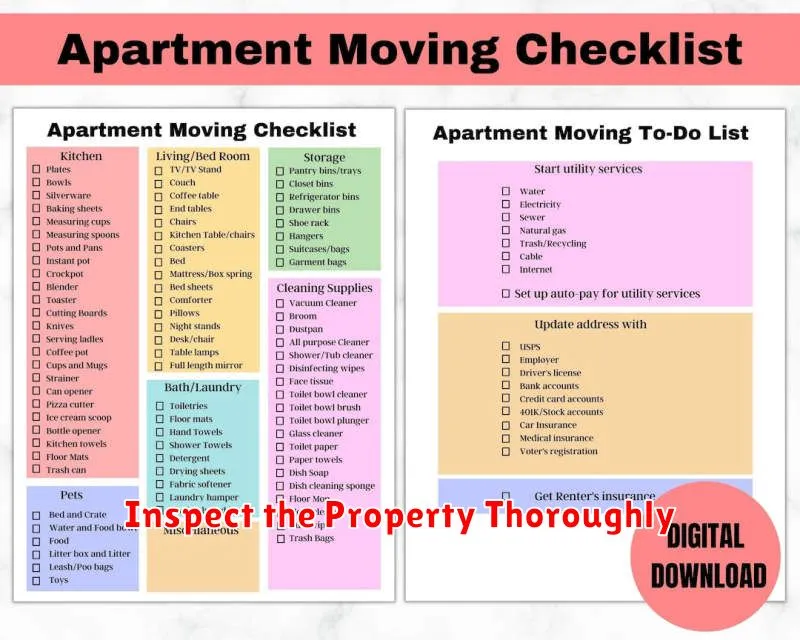
Before signing a lease, a thorough inspection of the property is crucial. This helps you identify any existing issues and avoid potential disputes with the landlord later on.
Key areas to inspect include:
- Plumbing: Check for leaks, water pressure, and proper drainage.
- Electrical systems: Test outlets, light fixtures, and appliances.
- Heating and cooling: Ensure they function correctly.
- Appliances: Verify all included appliances are in working order.
- Safety features: Inspect smoke detectors, carbon monoxide detectors, and security measures.
Document any existing damage or concerns with photographs or videos. Discuss these issues with the landlord and ensure they are addressed in writing before moving in. This protects you from being held responsible for pre-existing problems.
Ask About Utility Costs
Beyond your monthly rent payment, it’s crucial to understand what additional costs you’ll be responsible for. Utility costs can significantly impact your monthly budget. Don’t be afraid to ask your potential landlord about these expenses upfront.
Inquire about which utilities are included in the rent and which you will be responsible for paying separately. Common utilities include:
- Electricity: Powers lights, appliances, and heating/cooling systems.
- Gas: Often used for heating, hot water, and cooking.
- Water: Essential for everyday use.
- Trash/Sewage: Waste removal services.
- Internet/Cable: For communication and entertainment.
Asking about average utility costs for the unit can help you estimate your total monthly expenses. If possible, ask for previous bills or contact the utility companies directly for estimates.
Review Lease Terms Before Signing
Thoroughly reviewing your lease is crucial before signing. A lease is a legally binding contract, and understanding its terms protects your rights and responsibilities as a tenant.
Pay close attention to the following key elements:
- Lease duration: How long is the lease term? Is it a fixed-term lease or month-to-month?
- Rent amount and due date: Understand the exact rent amount and when it is due. Are there late fees?
- Security deposit: How much is the security deposit, and under what conditions will it be returned?
- Maintenance responsibilities: Who is responsible for repairs and maintenance within the unit?
- Utilities: Which utilities are you responsible for paying?
- Pet policies: Are pets allowed? If so, are there breed restrictions or additional fees?
- Guest policies: Are there restrictions on guests or overnight stays?
If anything is unclear, ask for clarification from the landlord or property manager before signing. It is better to address any concerns upfront than to encounter problems later.
Know Your Rights as a Tenant
Understanding your rights is crucial for a positive renting experience. Lease agreements are legally binding documents outlining the terms of your tenancy. Familiarize yourself with every clause, including rent amount, due date, lease duration, and responsibilities for maintenance.
Many jurisdictions have specific laws protecting tenants. These laws often cover fair housing (protection from discrimination), security deposits (limitations on amounts and return policies), and eviction procedures (proper notice and grounds for eviction). Research your local tenant laws to ensure you are well-informed.
You have a right to a habitable dwelling. This means the property must meet basic living standards, including functioning plumbing, heating, and a safe structure. If your landlord fails to address necessary repairs after reasonable notification, consult your local tenant laws regarding your options.
Keep records of all communication with your landlord, rent payments, and any maintenance requests. This documentation can be invaluable should any disputes arise.
Consider Renter’s Insurance
While your landlord’s insurance covers the building itself, it typically doesn’t protect your personal belongings. Renter’s insurance provides coverage for your possessions in case of theft, fire, or other covered events. It can also provide liability protection if someone is injured in your apartment.
This insurance is surprisingly affordable and offers significant peace of mind. Policies can cover damages and losses from events like:
- Fire and smoke damage
- Water damage (from burst pipes, for example)
- Theft and vandalism
- Certain natural disasters (check your policy for specific coverage)
Evaluate your needs and choose a policy with adequate coverage limits for your belongings. Creating a home inventory can be helpful in determining the value of your possessions.
Set Aside an Emergency Fund
Renting your first place is exciting, but unexpected expenses can arise. A dedicated emergency fund helps cushion the blow of unforeseen costs, preventing financial strain. Prioritize building an emergency fund specifically for rental-related issues.
This fund should be separate from your general savings and readily accessible. Aim to save enough to cover at least three months’ worth of rent and utilities. This will provide a safety net for unexpected repairs, sudden job loss, or other emergencies that could impact your ability to pay rent on time.
Start small and contribute regularly to your emergency fund. Even small amounts add up over time. Consider automating regular transfers to a dedicated savings account to make saving effortless.
Communicate Clearly With Your Landlord
Open communication with your landlord is crucial for a positive renting experience. Clearly communicate any issues, maintenance requests, or planned absences. Documenting communication is also essential. Keep records of emails, letters, or text messages exchanged with your landlord. This documentation can be invaluable if any disputes arise.
Be proactive in reporting maintenance problems. The sooner you report an issue, the quicker it can be resolved. When requesting maintenance, provide specific details about the problem, including its location and when it started. This helps your landlord understand the issue and arrange for repairs efficiently.
Similarly, keep your landlord informed about any planned absences, especially if you’ll be away for an extended period. This is often a requirement of your lease agreement and ensures they are aware of the property’s occupancy status.
