
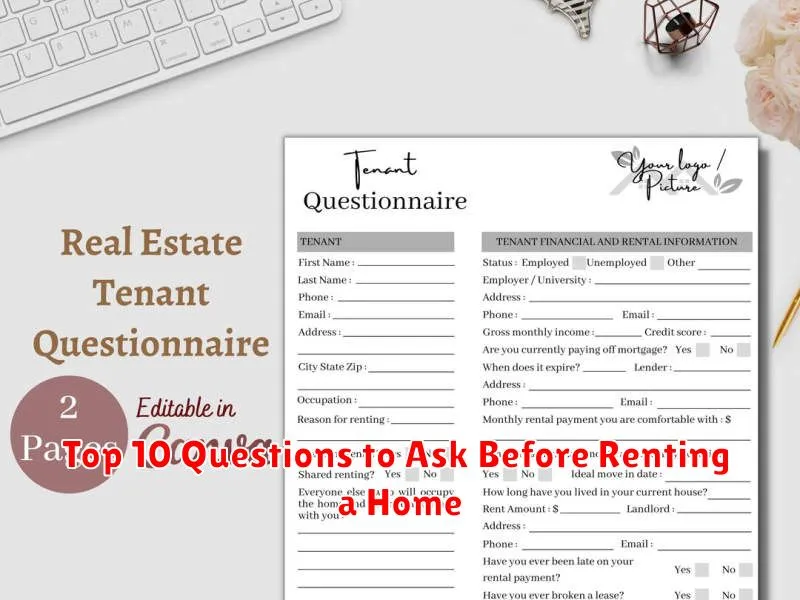
Renting a home is a significant decision, requiring careful consideration of various factors to ensure a comfortable and suitable living arrangement. Finding the perfect rental involves more than just browsing listings; it demands a proactive approach to assessing your needs and understanding the terms and conditions of the lease. Before you sign on the dotted line, asking the right questions can save you from potential headaches and ensure a positive renting experience. This article will outline the top 10 questions to ask before renting a home, empowering you to make an informed choice and secure the ideal rental property for your lifestyle.
From understanding the rental costs and lease terms to evaluating pet policies and maintenance responsibilities, a thorough investigation is crucial. These questions to ask before renting a home will provide you with a comprehensive understanding of the property and the responsibilities involved. Whether you are a first-time renter or an experienced tenant, this guide will equip you with the essential knowledge needed to navigate the rental market successfully and secure a rental property that meets your needs and budget. This comprehensive list of questions to ask before renting an apartment, condo, or house will help you make the right decision.
What’s Included in the Rent?
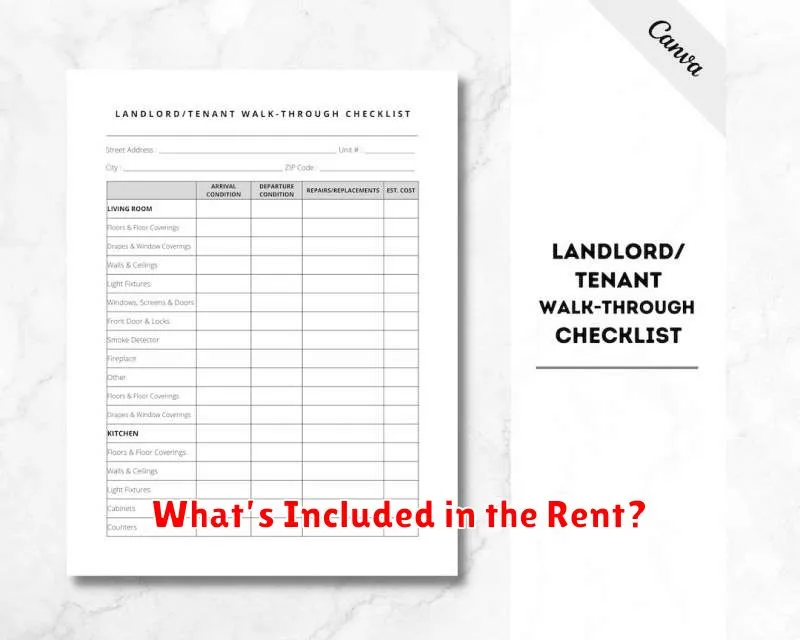
Clearly understanding what your monthly rent payment covers is crucial. Don’t assume anything. Ask for a detailed list of inclusions and exclusions.
Common inclusions are:
- Water
- Trash removal
- Sewer
However, these are often separate expenses:
- Electricity
- Gas
- Internet
- Cable TV
Other potential inclusions to inquire about include parking, laundry facilities, and amenity fees (like pool or gym access). Knowing these details upfront helps you accurately budget and avoid unexpected costs.
Is There a Security Deposit and Refund Policy?
A security deposit protects the landlord against potential damages or unpaid rent. Inquire about the amount of the security deposit and ensure it aligns with local laws. A higher than average deposit might be a red flag.
The refund policy is equally crucial. Ask for a written explanation detailing the conditions under which the deposit will be returned, including the timeframe for its return after the lease ends. Specifically, ask about what constitutes “normal wear and tear” versus damage. Understanding these terms upfront can prevent disputes later on.
Are Pets Allowed?
If you have furry, feathered, or scaled family members, it’s crucial to ask about pet policies upfront. Some landlords have strict no-pet policies, while others may allow pets with restrictions on breed, size, or number.
Be prepared to provide information about your pet, such as breed, age, and vaccination records. Landlords may also require a pet deposit or monthly pet rent. Understanding the pet policy beforehand can save you from potential headaches down the road.
Key questions to consider:
- Are there any breed or size restrictions?
- Is there a pet deposit or monthly pet rent?
- Are there specific areas where pets are not allowed?
What Is the Policy on Repairs and Emergencies?
Understanding the repair and emergency policy is crucial before signing a lease. Clearly define responsibilities. Who is responsible for what repairs? What is the procedure for requesting repairs? How long is the reasonable timeframe for the landlord to address these issues?
Emergencies require specific attention. Establish what constitutes an emergency (e.g., burst pipe, no heat in winter). Obtain contact information for emergency situations. Is there a 24/7 contact number? What is the expected response time? Will you be reimbursed for necessary emergency repairs you undertake yourself? Document everything in writing to avoid future disputes.
How Is the Neighborhood and Safety?
Neighborhood and safety are paramount when choosing a rental home. Thoroughly research the area. Consider factors like proximity to amenities, schools, and your workplace. Commute times can significantly impact your quality of life.
Crime rates are a critical factor. Utilize online resources and local police department websites to gather data. Look into the prevalence of property crimes like burglary and theft. Consider the presence of security features in the prospective rental, such as alarms, security cameras, and adequate lighting.
Talk to potential neighbors. A quick conversation can provide invaluable insights into the area’s vibe and safety. Ask about noise levels, parking availability, and any concerns they may have. Visiting the neighborhood at different times of day can give you a better feel for its atmosphere and safety.
Are There Quiet Hours or HOA Rules?
Understanding the rules and regulations governing noise and other aspects of community living is crucial for a harmonious tenancy. Inquire about any established quiet hours. These designated times typically restrict noisy activities to minimize disturbances for residents. Knowing these hours beforehand can prevent future misunderstandings and ensure a peaceful living environment.
If the property is part of a Homeowners Association (HOA), request a copy of the HOA rules and regulations. These documents outline specific guidelines and restrictions that govern the community. HOA rules can cover various aspects, including landscaping, parking, pet ownership, and exterior modifications to the property. Carefully review these rules to ensure they align with your lifestyle and expectations.
Understanding both quiet hours and HOA regulations will help you determine if the property and community are a good fit for your lifestyle and preferences.
What’s the Average Utility Cost?
Understanding utility costs is crucial when budgeting for a new rental. Utility expenses typically include electricity, gas, water, and sometimes trash and sewer services. Ask the landlord or property manager for average utility costs for the unit. While they may not be able to give exact figures, they can often provide estimates based on previous tenants’ usage or comparable units.
Factors that influence utility costs include:
- Size of the unit: Larger spaces generally require more energy to heat and cool.
- Appliances: Older, less efficient appliances can drive up costs.
- Climate: Extreme temperatures will lead to increased heating or cooling usage.
- Personal habits: Your individual energy and water consumption plays a significant role.
Inquire about the specific providers for each utility so you can contact them directly for more detailed historical usage data, if available. This will allow you to develop a more accurate estimate of potential monthly expenses.
How Is Parking Handled?
Parking can be a significant factor when choosing a rental home, especially in urban areas or densely populated neighborhoods. Clearly understanding the parking situation beforehand can save you from future headaches.
Ask your potential landlord the following key questions:
- Is parking included in the rent?
- If so, what type of parking is available? (e.g., assigned space, driveway, garage, street parking)
- If off-street parking is provided, is it covered or uncovered?
- How many parking spaces are allotted to the rental unit?
- Are there any restrictions on guest parking?
- If street parking is the only option, are permits required? Is street parking readily available?
Make sure to confirm all parking details in writing within the lease agreement to avoid any disputes later on.
Who Do I Contact for Issues?
Knowing the correct contact person for maintenance or other issues is crucial. Establish clear communication channels from the start. Will you contact the landlord directly, a property manager, or a designated maintenance service?
Obtain contact information, including names, phone numbers, and email addresses. Understand the preferred method of communication and expected response times. Document everything in writing, including your initial inquiry and any subsequent follow-up.
Clarify the procedure for emergency repairs. Is there a 24/7 emergency contact number? Knowing this information beforehand can save you valuable time and potential stress during critical situations.
Is Subletting Allowed?
Subletting, or re-renting, a property involves renting out a space you’re currently leasing to another tenant. Before considering this, it’s crucial to understand your lease agreement. Many leases explicitly prohibit subletting without the landlord’s written consent.
Even if your lease doesn’t mention subletting directly, it’s still a good idea to get explicit permission from your landlord. Unauthorized subletting can lead to serious consequences, including eviction. If your landlord agrees, discuss the terms and conditions, such as the duration of the sublease and responsibility for damages.
Understanding your lease agreement regarding subletting is a vital step in protecting yourself and maintaining a positive landlord-tenant relationship.
