

Renewing a rental lease is a significant milestone in your tenancy. Whether you’re a seasoned renter or new to the process, understanding how to navigate a lease renewal strategically can save you money, protect your rights, and provide housing stability. This guide will walk you through the key steps and considerations to ensure you renew your rental lease the smart way, empowering you to negotiate favorable terms and avoid common pitfalls.
From understanding your current lease agreement to negotiating rent increases and ensuring your rights are protected, renewing a rental lease doesn’t have to be a daunting task. Learn how to effectively communicate with your landlord, document everything, and approach the lease renewal process with confidence. This article will provide valuable insights and practical tips for making informed decisions and securing a lease renewal that works best for you.
Start the Conversation Early
Initiating a discussion about lease renewal well in advance of the expiration date is crucial. This proactive approach offers several benefits for both tenants and landlords.
For tenants, early communication allows ample time to evaluate their housing needs and explore alternative options if renewal terms are unsatisfactory. It provides a cushion to search for a new property, avoiding the pressure of a last-minute scramble. Ideally, begin conversations two to three months prior to the lease expiration.
From the landlord’s perspective, early engagement provides insight into tenant intentions. This knowledge enables better planning and preparation, whether it involves finding new tenants or making necessary updates between occupancies. Open communication minimizes vacancy periods and ensures a smoother transition.
Review Your Current Lease Terms
Before considering renewal, thoroughly review your current lease. Understanding your existing agreement is crucial for negotiating favorable terms in a new lease.
Pay close attention to these key areas:
- Monthly rent: Note the current amount to compare with potential increases.
- Lease duration: How long is the current lease term? Are you looking for a similar length or a change?
- Renewal clause: Does your lease include an automatic renewal clause? If so, understand the terms and deadlines.
- Required notice: How much notice are you required to give if you plan to move out or renew?
- Allowed modifications: Are there any restrictions on painting, decorating, or other alterations?
- Pet policies: Review any clauses regarding pets, including breed restrictions or fees.
Documenting these details will prepare you for a productive discussion with your landlord.
Evaluate Market Rent Rates
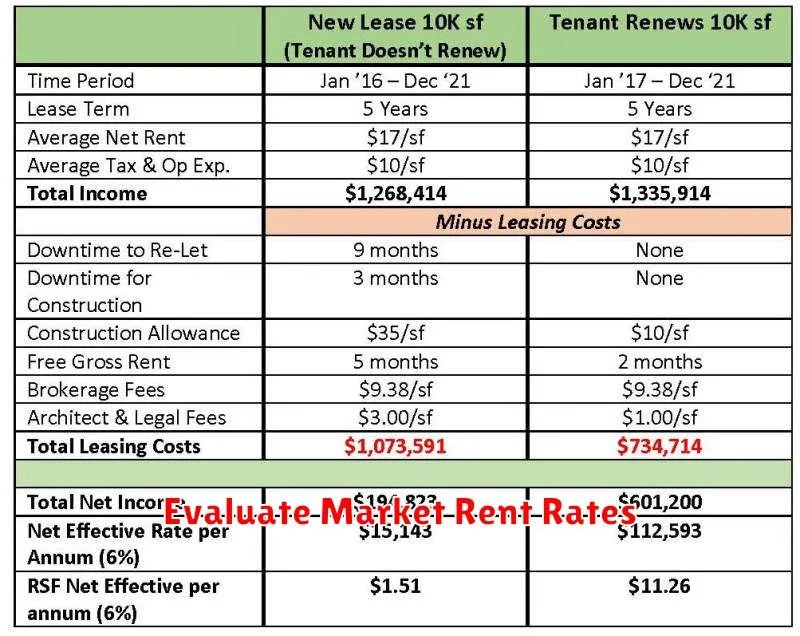
Before agreeing to a lease renewal, it’s crucial to understand current market rent rates for comparable properties. This research will inform your negotiation strategy and help you determine if the proposed renewal rate is reasonable.
Several factors contribute to market rent rates. Location is paramount. Properties in desirable neighborhoods often command higher rents. The size and features of the unit also play a role. Consider the number of bedrooms, bathrooms, and amenities like in-unit laundry or parking.
Research rental listings for similar properties in your area. Pay close attention to the asking rents for units with comparable size, features, and location. Online real estate portals, local newspapers, and community forums can provide valuable insights.
Request Upgrades or Improvements
Lease renewals present a valuable opportunity to negotiate upgrades or improvements to your rental unit. Before you sign a new lease, assess what changes would enhance your living experience. This could include anything from necessary repairs like fixing a leaky faucet to desired upgrades such as installing new appliances or repainting the walls.
Communicate your requests to your landlord in a clear and professional manner. Put your requests in writing, outlining the specific improvements you’d like and why they are important. This documentation provides a record of your communication and helps ensure your landlord understands your needs. Be prepared to negotiate. Your landlord may be willing to accommodate some or all of your requests, particularly if they retain you as a tenant.
Consider the terms of your new lease when discussing improvements. For example, you might be willing to accept a slightly higher rent in exchange for significant upgrades. Alternatively, your landlord may agree to cover the costs of materials if you are willing to contribute your own labor. Ensure any agreements about upgrades or improvements are clearly stated in the renewed lease to avoid misunderstandings later.
Negotiate Length and Price
Once you’ve decided to renew, it’s time to discuss the terms of your new lease. Lease length and monthly rent are the two most important factors to negotiate. Think about your long-term plans. Do you anticipate needing to move in the near future? If so, a shorter lease term might be beneficial, even if it means a slightly higher monthly rent.
Conversely, if you plan to stay put for a while, a longer lease can provide stability and potentially lock in a lower rent price. Be prepared to negotiate. Research comparable rental rates in your area to understand the current market value. This will give you leverage when discussing rent with your landlord.
Present your case respectfully and professionally. Highlight your positive payment history and responsible tenancy as reasons why you deserve favorable terms. Be willing to compromise. Perhaps a longer lease term in exchange for a smaller rent increase is a mutually beneficial solution.
Get New Terms in Writing
Before signing a lease renewal, ensure all agreed-upon changes are documented in writing. This includes not only the rent amount but also any other modifications to the original lease terms.
Verbal agreements are difficult to enforce. A written lease addendum or a new lease entirely is crucial for clarity and protection for both landlord and tenant.
Common changes that require documentation include:
- Lease duration
- Pet policies
- Maintenance responsibilities
- Parking arrangements
- Utility payments
Review the new lease or addendum carefully. Don’t hesitate to ask questions if anything is unclear before signing.
Confirm Renewal Timeline and Conditions
Initiating the lease renewal process early is crucial. Understand your lease agreement’s stipulations regarding renewal notification. Many leases require a 30- or 60-day written notice before the current lease term expires. Missing this deadline could jeopardize your renewal options.
Carefully review the proposed renewal terms. Pay close attention to any changes in rent, lease duration, or other conditions. Don’t hesitate to negotiate with your landlord if you disagree with any of the proposed changes. This is an opportune time to discuss necessary repairs or improvements to the property as well.
Ensure you receive a written copy of the renewed lease agreement and scrutinize it thoroughly before signing. Confirm all agreed-upon terms are accurately reflected in the document.
