
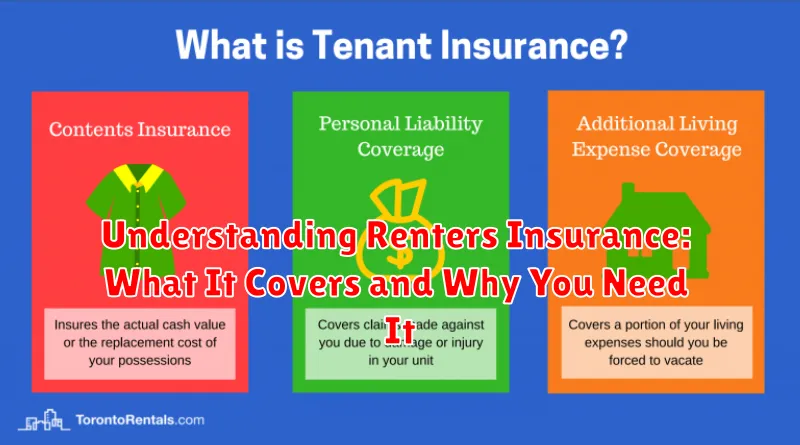
Are you a renter? Do you understand the importance of renters insurance? Many renters mistakenly believe their landlord’s insurance policy covers their belongings. This is a critical misconception. Renters insurance provides crucial financial protection for your personal property in the event of unforeseen circumstances, such as theft, fire, vandalism, and certain types of water damage. It can also offer liability coverage and cover additional living expenses if your rental becomes uninhabitable. This introduction will delve into the essential aspects of renters insurance, outlining what it covers and why securing this affordable protection is a wise decision.
This comprehensive guide will explore the benefits of renters insurance, detailing the types of coverage available, including personal property protection, liability coverage, and loss of use coverage. We’ll also discuss factors that influence the cost of renters insurance and offer practical tips for choosing the right policy to suit your individual needs. Understanding the importance of renters insurance can provide invaluable peace of mind, knowing your personal belongings and financial well-being are protected. So, let’s explore why renters insurance is a worthwhile investment for every renter.
What Is Renters Insurance?
Renters insurance is a type of property insurance that provides coverage for your personal belongings within a rented property. It protects against losses from events like fire, theft, vandalism, and certain types of water damage. Unlike homeowner’s insurance, which covers the physical structure of the building, renters insurance focuses solely on the contents of your apartment, condo, or rental home.
It is a relatively inexpensive way to protect yourself from potentially devastating financial losses. The policy typically also provides liability coverage in case someone is injured in your rental and decides to sue. Additionally, it can cover additional living expenses if your rental becomes uninhabitable due to a covered event, allowing you to temporarily stay elsewhere.
Personal Property Protection
One of the most significant benefits of renters insurance is its protection of your personal belongings. This coverage helps replace or repair your possessions if they are damaged, destroyed, or stolen due to covered perils.
Covered perils typically include events like fire, smoke, theft, vandalism, and certain types of water damage. It’s essential to review your policy to understand the specific perils covered and any exclusions that may apply.
Your belongings are covered both inside and outside your home. This means items stolen from your car or lost while traveling are potentially covered, subject to policy limits and deductibles.
There are two types of personal property coverage: actual cash value and replacement cost. Actual cash value considers depreciation, while replacement cost covers the amount needed to purchase a new item of similar kind and quality.
High-value items such as jewelry, art, or collectibles may require additional coverage through a scheduled personal property endorsement or floater.
Liability Coverage Explained
Liability coverage is a crucial component of renters insurance. It protects you financially if you’re held responsible for accidental bodily injury or property damage to others. This means if a guest is injured in your apartment, or if you accidentally damage a neighbor’s property, your liability coverage can help cover the costs.
These costs can include medical bills, legal fees, and repair or replacement costs. Without liability coverage, you could be personally responsible for these expenses, which can be substantial.
For example, if your bathtub overflows and causes water damage to the apartment below, your liability coverage could help pay for the repairs. Similarly, if your dog bites a visitor, the coverage could help pay for their medical bills and any resulting legal fees.
The amount of liability coverage you need depends on your individual circumstances and assets. It’s important to choose a coverage amount that adequately protects you from potential financial risks.
Additional Living Expenses (ALE) After Disasters
Renters insurance often covers additional living expenses (ALE), which are costs you incur if your rented home becomes uninhabitable due to a covered peril. Covered perils typically include events like fire, windstorms, or vandalism. ALE helps pay for the increased cost of living elsewhere while your home is being repaired or rebuilt.
Examples of covered ALE can include:
- Hotel bills
- Temporary rental accommodations
- Restaurant meals (if your kitchen is unusable)
- Moving and storage costs
- Pet boarding (if your home is uninhabitable for your pets)
ALE coverage usually has a limit, often expressed as a percentage of your personal property coverage. For instance, if your policy covers $20,000 in personal property and provides 20% for ALE, you would have $4,000 in ALE coverage. Keep receipts and document your expenses thoroughly to support your ALE claim. It’s important to review your policy details to understand the specific coverage limits and conditions for ALE.
Common Exclusions and Limitations
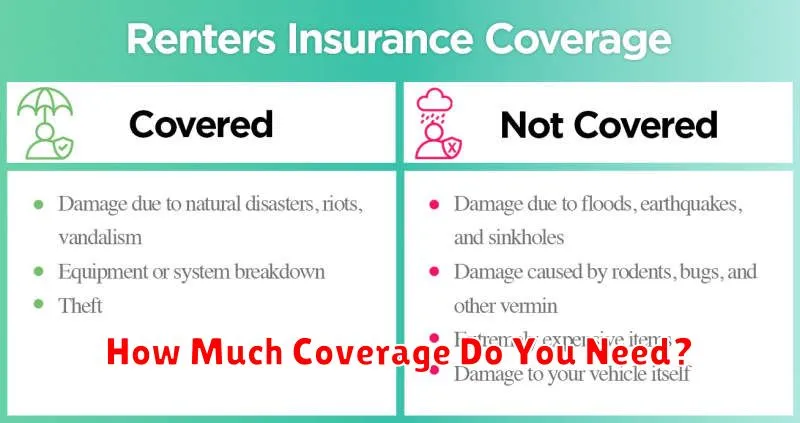
While renters insurance offers valuable protection, it’s crucial to understand its exclusions and limitations. Policies typically don’t cover everything, and knowing what isn’t covered can help you avoid surprises if you need to file a claim.
Some common exclusions include:
- Flood damage: Renters insurance usually excludes flood damage from any source. You’ll need a separate flood insurance policy for this type of event.
- Earthquake damage: Similar to floods, earthquake damage is typically excluded and requires separate coverage.
- Certain high-value items: There might be limits on coverage for expensive jewelry, art, or collectibles. You might need a separate “floater” or endorsement to fully insure these items.
- Roommates’ belongings: Your policy generally covers only your personal property, not a roommate’s possessions. They’ll need their own policy.
Additionally, coverage limitations can apply. Policies have coverage limits for different categories, like personal property, liability, and additional living expenses. Be sure to review your policy and ensure the coverage amounts are adequate for your needs.
How Much Coverage Do You Need?
Determining the right amount of renters insurance coverage depends on your individual needs and the value of your belongings. It’s crucial to accurately assess the replacement cost of your possessions, not their current market value. Think about how much it would cost to buy brand new replacements for everything you own.
Consider creating a home inventory. This detailed list of your belongings, including descriptions and estimated values, will be invaluable in determining the appropriate coverage amount. It will also be helpful in the event you need to file a claim.
Liability coverage is another important factor. This coverage protects you financially if someone is injured in your apartment and you are found liable. Consider the potential costs of medical bills and legal fees when selecting your liability limit. Higher limits provide greater protection.
Finally, consider additional living expenses (ALE) coverage. This coverage can help with temporary housing costs if your apartment becomes uninhabitable due to a covered peril like a fire or flood. Think about how much it would cost to stay in a hotel or rent a temporary apartment while your home is being repaired.
How to Choose the Right Policy
Selecting the right renters insurance policy requires careful consideration of your individual needs and circumstances. Coverage amounts are crucial. Determine the replacement value of your belongings. Don’t underestimate this value; accurately assessing it ensures adequate protection in case of a total loss.
Think about specific additional coverage options. Do you need coverage for high-value items like jewelry or electronics? If so, consider adding a “personal articles floater” to your policy. This provides extra protection beyond the standard policy limits.
Deductibles play a significant role in premium costs. A higher deductible typically means a lower premium, but you’ll pay more out-of-pocket if you file a claim. Choose a deductible you can comfortably afford if an incident occurs.
Finally, compare quotes from multiple insurance providers. Don’t just focus on the price; evaluate the coverage offered, customer service reputation, and policy features to find the best value for your needs.
