

Finding the right apartment can be a daunting task, but with careful consideration of your lifestyle, needs, and budget, the process can become significantly more manageable. This comprehensive guide will walk you through the crucial steps of choosing the right apartment that perfectly aligns with your lifestyle, ensuring a comfortable and fulfilling living experience. From assessing your budget and desired amenities to evaluating location and lease terms, we’ll cover the essential factors to consider when embarking on your apartment search. Whether you are a young professional, a student, a growing family, or simply seeking a change of scenery, understanding your unique lifestyle requirements is paramount to finding your ideal apartment.
Choosing the right apartment is more than just finding a place to sleep; it’s about finding a space that complements your lifestyle and enhances your daily living. This article explores the key aspects of apartment hunting, emphasizing the importance of aligning your lifestyle with your living space. We’ll delve into how to prioritize your needs and wants while staying within your budget. By the end of this guide, you’ll be equipped with the knowledge and strategies to confidently navigate the apartment search process and secure the perfect apartment that truly reflects your individual lifestyle.
Understanding Your Lifestyle Needs
Before embarking on your apartment search, it’s crucial to understand your lifestyle needs. This introspection will save you time and frustration, leading you to the ideal living space that complements your daily routines and preferences.
Consider the following aspects of your lifestyle:
- Commute: How important is proximity to work or school? What transportation methods do you primarily use? Consider commute times and accessibility to public transportation.
- Social Life: Do you prefer a vibrant neighborhood with easy access to entertainment and dining, or a quieter atmosphere? Think about your social habits and how your living environment can support them.
- Amenities: What amenities are essential to your comfort and convenience? Think about in-unit laundry, parking, fitness centers, pet-friendly accommodations, and other desirable features.
- Budget: Establish a realistic budget that encompasses rent, utilities, and other associated living expenses. Knowing your financial limitations will help narrow down your options effectively.
By carefully evaluating these factors, you can create a clear picture of your ideal apartment and streamline your search process.
Location vs. Commute Trade-Offs
A key consideration when choosing an apartment is balancing location desirability with the realities of your commute. A prime location often comes with a higher price tag, but it might also mean a shorter, easier commute. Conversely, a more affordable apartment might be further from work or amenities, resulting in a longer and potentially more stressful commute.
Consider the following:
- Commute time: How much time are you willing to spend commuting each day? Factor in traffic, especially during peak hours.
- Commute cost: Calculate the cost of gas, tolls, or public transportation. A longer commute will invariably increase these expenses.
- Lifestyle preferences: Do you prioritize being close to work, entertainment, or green spaces? Your priorities should guide your decision.
Carefully weigh these factors. A shorter commute might justify a higher rent, particularly if it significantly improves your quality of life. Conversely, a longer commute might be acceptable if it allows you to live in a more desirable neighborhood or save money on rent.
Setting a Practical Budget
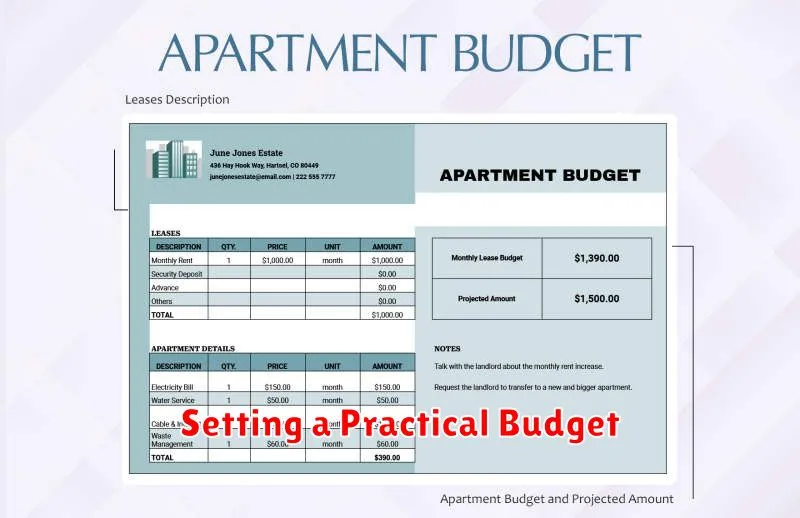
Establishing a realistic budget is crucial when searching for an apartment. It determines the type of apartment you can afford and helps narrow your search, saving you time and potential frustration.
Start by calculating your net monthly income. This is the amount you receive after taxes and other deductions. A common rule of thumb is to allocate no more than 30% of your net monthly income towards rent. However, this percentage can be adjusted based on your personal financial goals and other expenses.
Consider additional costs beyond the monthly rent. These might include utilities (electricity, water, gas), parking fees, renter’s insurance, and internet/cable services. Factor these into your budget to gain a comprehensive understanding of your total housing expenses.
Evaluating Amenities That Matter

Apartment hunting involves more than just finding a space that fits your budget. Amenities play a crucial role in your overall living experience. Consider which amenities truly align with your lifestyle and prioritize them accordingly.
Essential Amenities: Think about your daily needs. In-unit laundry, parking, and secure entry are often high on the list for many renters. If you rely on public transport, proximity to bus stops or train stations becomes vital.
Lifestyle Amenities: These amenities enhance your quality of life. A fitness center, swimming pool, or communal spaces can be significant depending on your interests. Pet-friendly facilities are a must for pet owners.
Consider the Trade-offs: Premium amenities often come with higher rent. Evaluate what you’re willing to pay for. A rooftop deck might be appealing, but is it worth a significant rent increase if you rarely spend time outdoors? Prioritize the amenities that add genuine value to your daily life.
Touring Multiple Properties Before Deciding
Once you’ve narrowed down your apartment search based on your needs and budget, the next crucial step is to physically visit potential properties. Don’t settle for just viewing one apartment. Touring multiple properties allows you to compare features, amenities, and overall ambiance.
Schedule tours for several apartments within a short timeframe to keep details fresh in your mind. This will make it easier to compare and contrast key aspects such as size, layout, and condition.
During the tour, actively engage with the property manager or landlord. Ask questions about lease terms, pet policies, and maintenance procedures. Take notes and even photos (if permitted) to document each property.
Reading the Lease Carefully
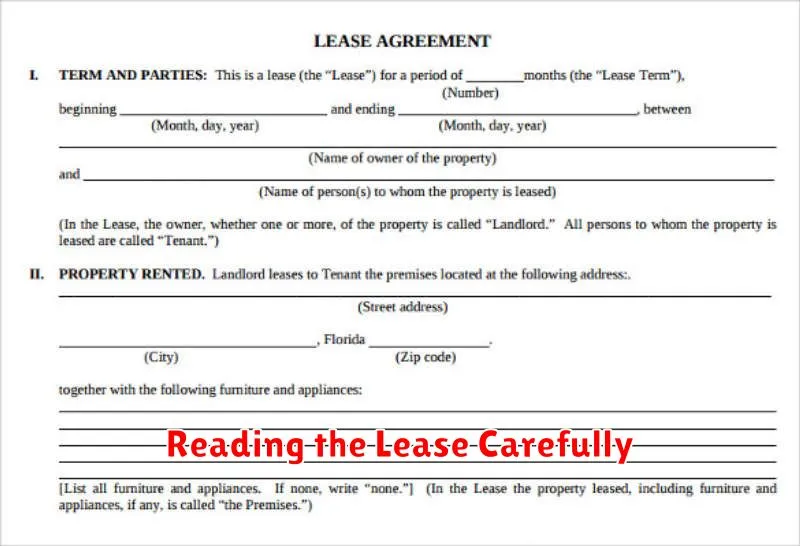
Before signing, thoroughly review the lease agreement. This document outlines the terms of your tenancy and is legally binding.
Pay close attention to the following:
- Lease term: How long is the lease for? Are there options for renewal?
- Rent: What is the monthly rent amount, and when is it due? Are there late fees?
- Utilities: Which utilities are you responsible for? Are any included in the rent?
- Maintenance: What is the procedure for requesting repairs? Who is responsible for pest control?
- Pet policies: Are pets allowed? If so, are there restrictions on breed or size? Are there additional fees?
- Termination clause: Under what circumstances can the lease be terminated early? What are the penalties for breaking the lease?
If any part of the lease is unclear, ask for clarification from the landlord or property manager. It’s crucial to fully understand your rights and responsibilities before signing.
Planning for Future Flexibility
While your current lifestyle is the primary factor in choosing an apartment, considering potential future changes is crucial. Think about your career trajectory. Might you need a home office soon? Could a promotion require more entertaining space?
Family plans also significantly impact future needs. Are you anticipating a growing family? If so, consider the number of bedrooms and the overall apartment size needed for a comfortable family life. Even if children aren’t in your immediate future, a spare bedroom can be valuable for guests or a home office.
Finally, consider your personal interests. Do you foresee a need for more storage space for hobbies? Think about how your lifestyle might evolve and choose a space that can accommodate potential changes, saving you the hassle and expense of relocating in the near future.
