
Finding the perfect rental property can be a challenging and often stressful experience. While the excitement of a new home can be alluring, it’s crucial to approach viewings with a discerning eye. Overlooking seemingly minor issues can lead to significant problems down the road. This article will equip you with the knowledge to identify the top 10 red flags when viewing a rental property, ensuring you make an informed decision and avoid future headaches. Understanding these rental red flags can save you time, money, and stress, helping you secure a truly suitable living space. From subtle signs of disrepair to more obvious warning signs, we’ll cover everything you need to know to confidently navigate the rental market and find the perfect rental for your needs.
Whether you are a seasoned renter or searching for your first apartment, being aware of potential red flags is paramount. These warning signs can range from easily overlooked cosmetic issues to more serious structural problems that could impact your safety and well-being. Ignoring these red flags in a rental property could result in costly repairs, uncomfortable living conditions, and even legal disputes with your landlord. This article provides a comprehensive guide to the top 10 red flags to watch for, empowering you to make an informed choice and confidently secure a rental property that meets your needs and expectations. By paying close attention to these critical details, you can avoid potential pitfalls and secure a comfortable and safe rental experience.
Unclear or Incomplete Lease Terms
A lease is a legally binding contract, so ambiguity is a major red flag. Ensure every aspect of the tenancy is clearly defined. This includes the length of the lease, the amount of rent, and the responsibilities of both landlord and tenant regarding maintenance and repairs.
Look out for missing clauses or sections that seem vague. Don’t hesitate to ask questions. If a landlord seems hesitant to clarify or put something in writing, this could indicate potential issues down the road. A well-defined lease protects both parties and fosters a positive landlord-tenant relationship.
Some key terms to look for include:
- Rent payment details (amount, due date, acceptable methods)
- Security deposit (amount, conditions for return)
- Pet policies
- Maintenance responsibilities
- Lease renewal terms
- Early termination clauses
If anything is unclear or missing, request that it be added to the lease agreement before signing.
Strong Odors or Signs of Mold
A musty smell often indicates a moisture problem, which can lead to the growth of mold. Mold can cause a variety of health issues, especially for individuals with allergies or respiratory problems. Look closely for visible signs of mold, such as discoloration on walls, ceilings, or around windows. Pay particular attention to areas like bathrooms and kitchens where moisture tends to accumulate.
Musty odors aren’t the only problematic smells to watch out for. Strong air freshener or perfume scents might be masking other underlying issues like pet odors, cigarette smoke, or sewage problems. While not always indicative of a serious problem, these strong odors can affect your comfort and quality of life in the rental unit. Don’t hesitate to inquire about the source of any unusual smells.
Inconsistent Utility Access
Inconsistent or unreliable utility access is a major red flag. Pay close attention to how utilities are supplied to the unit. Flickering lights, low water pressure, or inadequate heating/cooling could indicate underlying problems with the property’s infrastructure.
Ask the landlord or property manager about the age and condition of the systems. Inquire about past issues and how they were resolved. If possible, test the utilities yourself during the viewing. Turn on faucets, flush toilets, and check the thermostat’s responsiveness. These simple checks can reveal potential problems you’ll want to address before signing a lease.
Look for signs of DIY repairs, which could suggest improperly handled electrical or plumbing work. This could lead to safety hazards and costly repairs down the line. Don’t hesitate to ask specific questions about the utility situation if anything seems amiss. A trustworthy landlord will be upfront about any existing issues.
Visible Pests or Droppings
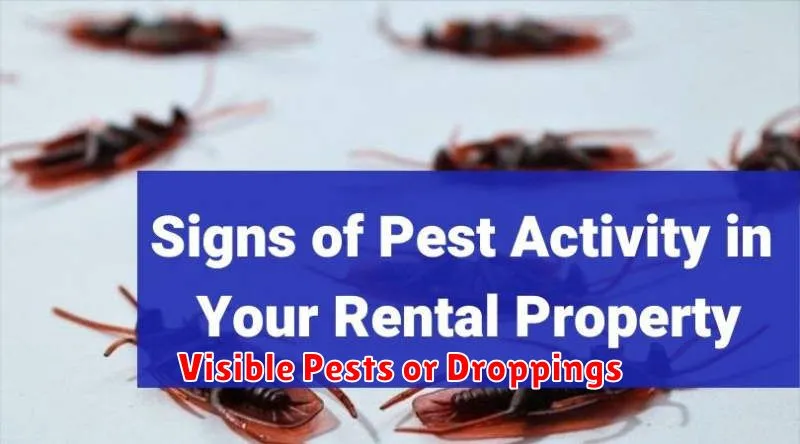
The presence of visible pests, such as insects or rodents, is a serious red flag. Cockroaches, ants, bed bugs, or mice droppings are clear indicators of an existing infestation. This suggests a lack of cleanliness and preventative pest control measures.
Carefully inspect all areas, especially kitchens, bathrooms, and corners. Look for droppings, nests, or the pests themselves. Don’t hesitate to look under sinks, behind appliances, and in cabinets. Even a few droppings warrant further investigation and should be addressed with the landlord.
Question the landlord about their pest control practices and how they plan to rectify the existing issue. A responsible landlord will have a plan of action for addressing infestations promptly and effectively. This is crucial for your health and well-being.
Unresponsive Landlord or Agent
A slow or nonexistent response to your initial inquiries is a significant red flag. This lack of communication can foreshadow future difficulties in getting repairs done or having your questions answered. A responsible landlord or agent should be prompt and professional in their communication.
Consider how long it took them to respond to your initial contact. Did they answer your questions thoroughly? Were they easy to reach? If the initial interaction is difficult, imagine dealing with a maintenance emergency down the line.
Key takeaway: A responsive landlord is crucial for a positive renting experience. Difficulties in initial communication often indicate larger problems.
Lack of Maintenance or Cleanliness
A poorly maintained property often signals a landlord who is unresponsive to tenant needs. Chipped paint, leaking faucets, stained carpets, or visible signs of pests are all indicators of neglect. This can foreshadow future problems and costly repairs that may not be addressed promptly.
Similarly, a generally unclean property at the time of viewing can be a major red flag. While some degree of disarray is understandable if the previous tenant just moved out, excessive dirt, grime, or lingering odors suggest a lack of care. This can indicate potential issues with mold, mildew, or other underlying problems.
No Emergency Contacts Listed
A critical red flag is the absence of emergency contact information. A reputable landlord or property management company should always provide contact details for emergencies. This demonstrates accountability and provides a crucial resource for tenants if issues arise outside of regular business hours, such as a burst pipe or power outage.
If no emergency contact is listed, inquire about it directly. A hesitant or evasive response should raise serious concerns. This lack of transparency could indicate a lack of professionalism or an unwillingness to take responsibility for the property.
Unusual Fees or Deposits
Be wary of any requests for unusual fees or deposits. Application fees are standard, but they should be reasonable. Exorbitant application fees may be a sign of a scam. Similarly, be cautious of landlords requiring non-refundable deposits for anything other than holding the property while your application is processed. Holding deposits should be clearly defined in writing and credited towards your security deposit or first month’s rent upon lease signing.
Other unusual fees might include “administrative fees,” “cleaning fees” upfront, or any other charges that seem out of the ordinary. Security deposits are typically limited by state law, so research the regulations in your area. If a landlord requests a significantly higher security deposit than legally allowed, this is a major red flag.
Unsecured Entry Points
Unsecured entry points are a major safety concern and should be a significant red flag when viewing a prospective rental property. Check all exterior doors and windows to ensure they are properly secured with functioning locks.
Broken or missing locks, ill-fitting doors and windows, or other signs of compromised entry points should be noted and addressed with the landlord or property manager immediately. This also includes secondary access points like sliding glass doors and basement or garage entrances. A secure property is paramount to your safety and peace of mind.
Look for evidence of forced entry. Scratches around locks, damaged door frames, or broken window panes could indicate previous break-ins and should prompt further investigation into the property’s security history.
Bad Reviews From Former Tenants
In the digital age, researching a potential rental property goes beyond just an in-person visit. Online reviews from former tenants can offer invaluable insights into the reality of living in a specific building or unit. These reviews can shed light on issues that might not be apparent during a brief showing.
Look for recurring complaints. A single negative review might be an outlier, but multiple reviews mentioning similar problems, such as pest infestations, unresponsive landlords, or frequent maintenance issues, are a serious red flag. Pay attention to the specifics mentioned in the reviews. Vague complaints might be less reliable, but detailed accounts of negative experiences should be taken seriously.
Websites and platforms dedicated to apartment ratings and reviews are excellent resources. Search specifically for the address or the landlord’s name to uncover potential issues. While reviews shouldn’t be the sole basis for your decision, they can be a crucial piece of the puzzle when evaluating a rental property.
